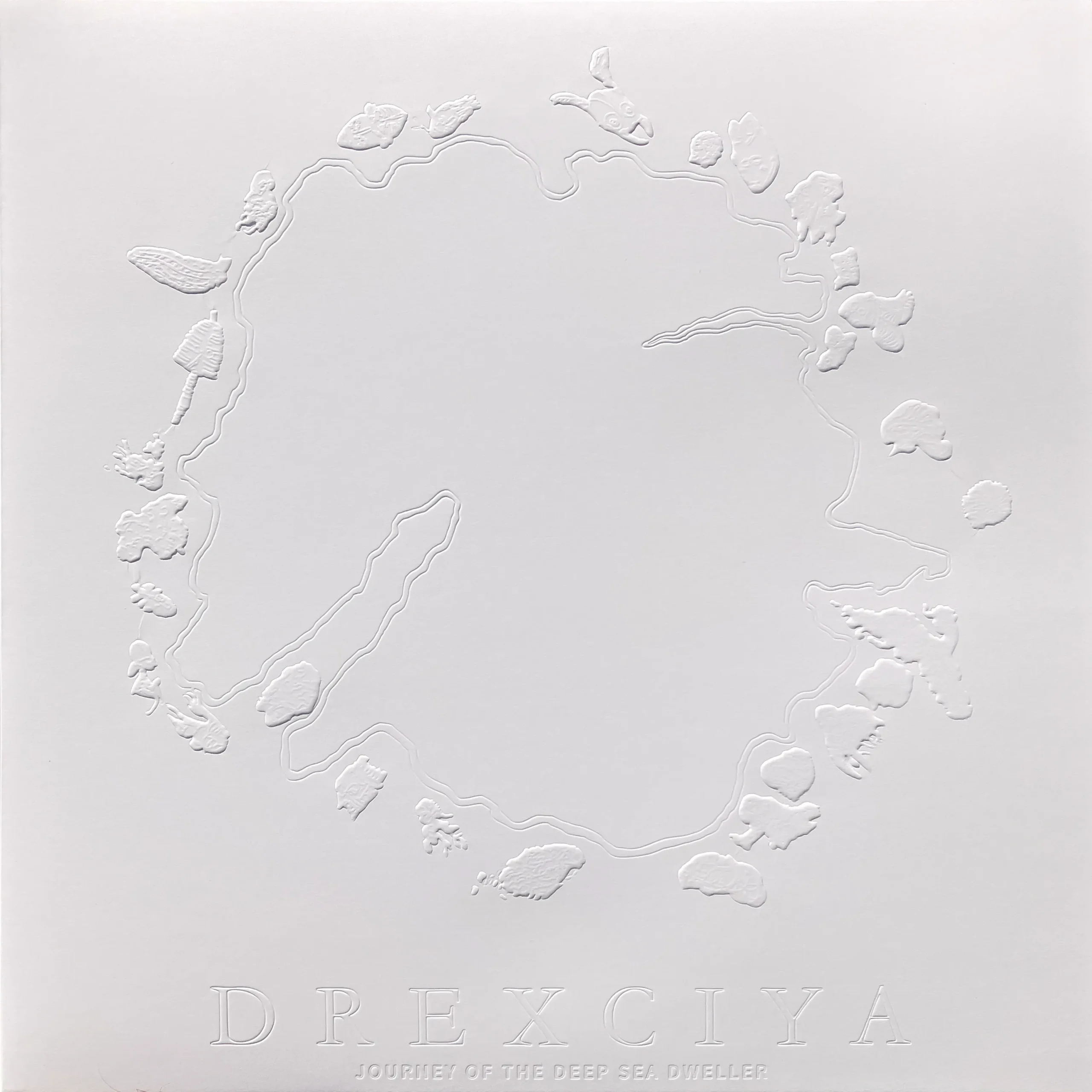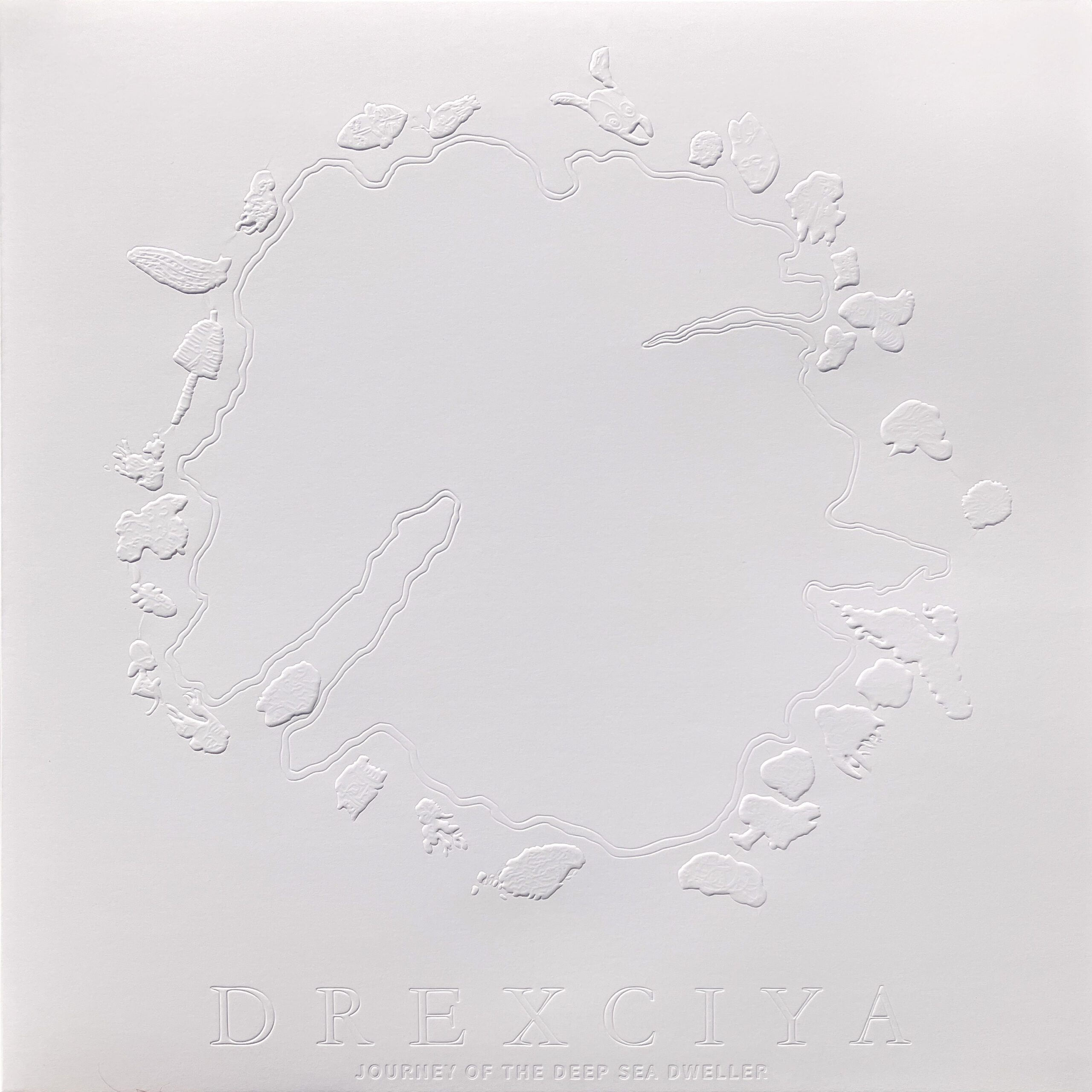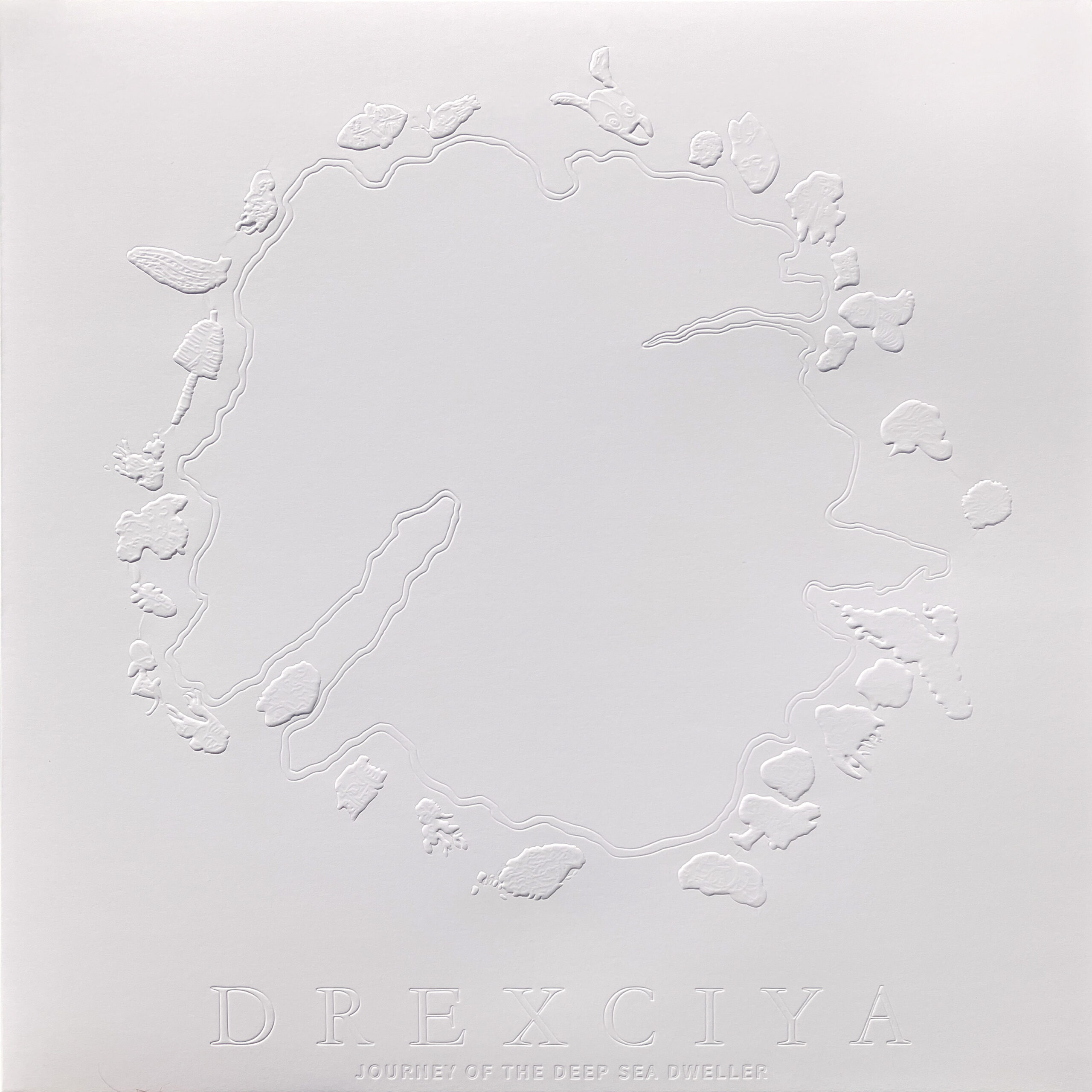


Drexciya
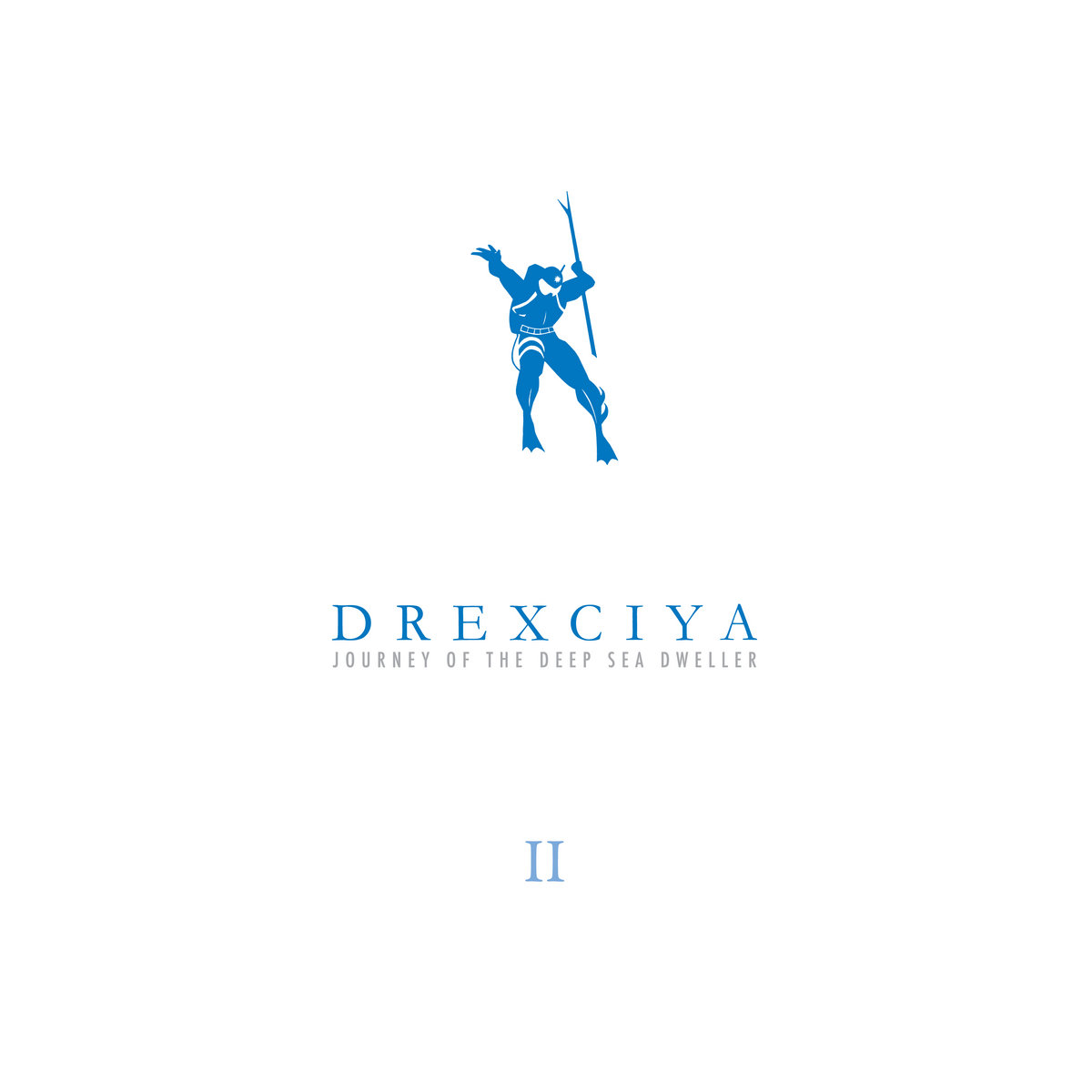
Drexciya was an influential electronic music project formed in Detroit by James Stinson and Gerald Donald in the late 1980s. Shrouded in deliberate anonymity, Drexciya emerged from the second wave of Detroit techno, yet operated on its own distinct trajectory—fusing electro, science fiction, and African diasporic consciousness into a fully imagined sonic mythology.
At the heart of Drexciya’s work was a powerful narrative: the legend of the Drexciyans, an aquatic race descended from unborn children of pregnant African women thrown overboard during the transatlantic slave trade. In this alternate history, these children adapted to breathe underwater and founded a technologically advanced underwater civilization. This mythology wasn’t just conceptual—it was encoded into the sound, the track titles, the artwork, and the sequencing of the records. It offered a radical retelling of trauma as transformation, turning horror into resilience, and using the underwater world as a metaphor for Black survival, autonomy, and futurism.
Their music was entirely hardware-driven, composed on analog equipment such as the Roland TR-808 and TR-606, sequencers, and modular synths. The result was a distinct sound—minimal yet deeply textured, mechanical yet alive. Tracks often felt like sonar transmissions from the depths: complex arpeggios, jagged hi-hats, pulsing basslines, and reverb-drenched soundscapes. The production was raw, but never careless; every element felt intentional, drawing listeners into a murky, immersive world far removed from the surface-level gloss of mainstream electronic music.
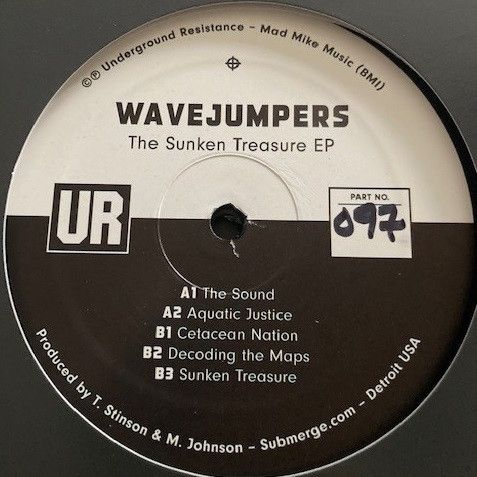
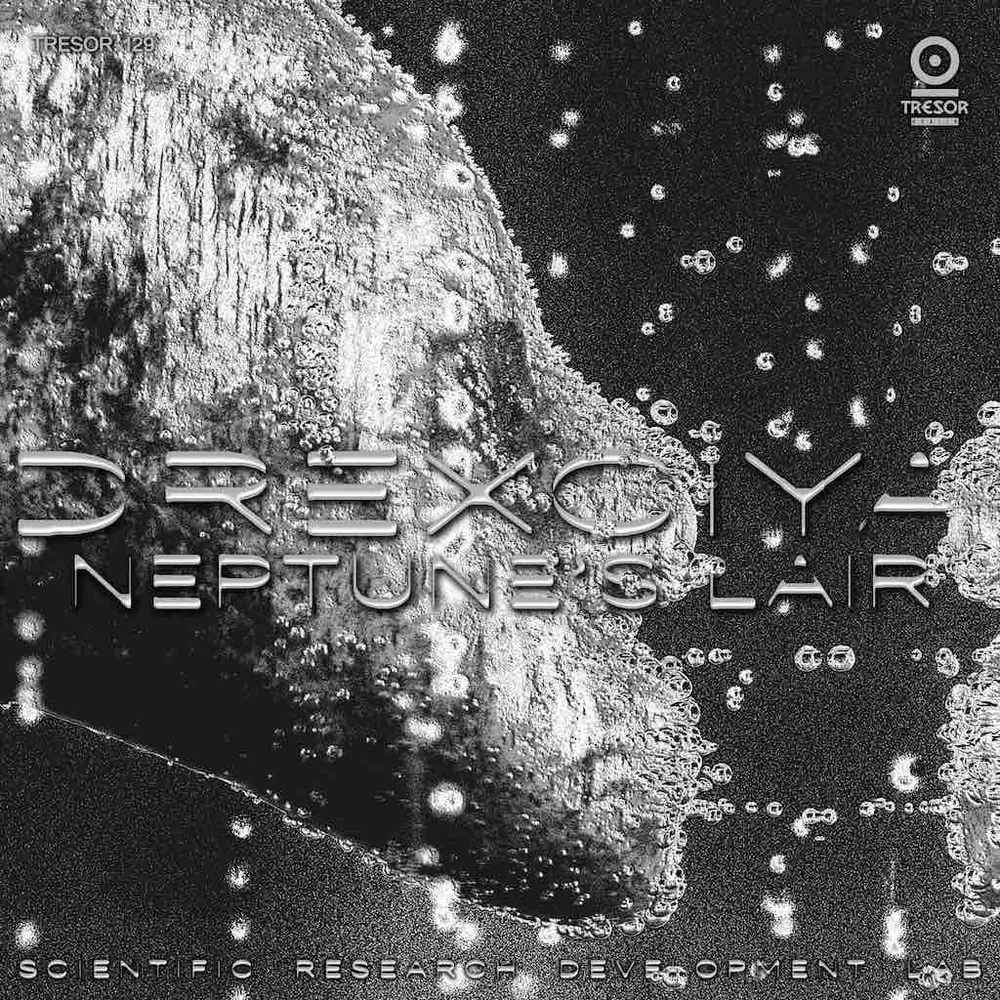
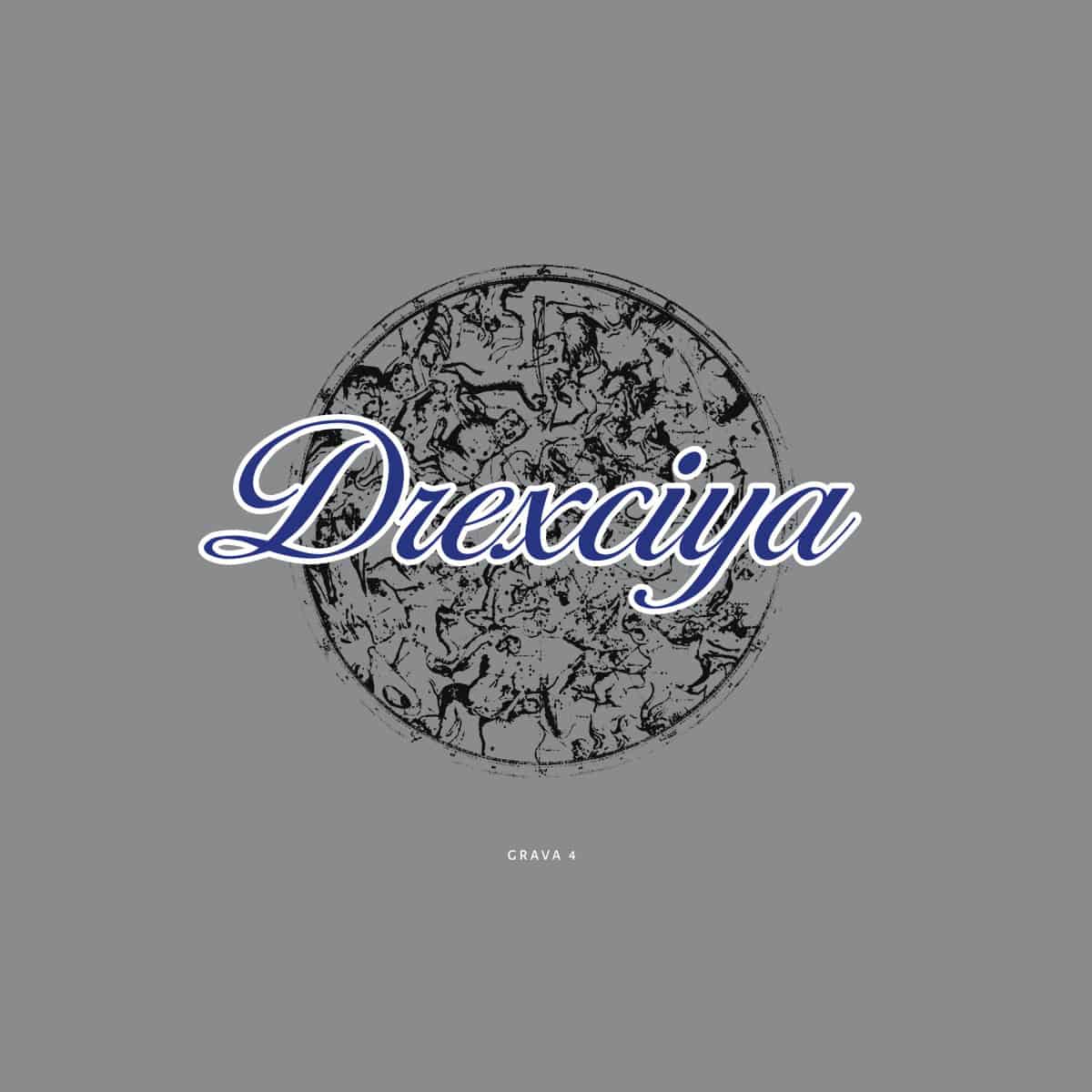
Early releases like “Deep Sea Dweller” and “Bubble Metropolis” on labels such as Underground Resistance and Submerge laid the groundwork for their identity. Later works such as “Neptune’s Lair” (Tresor, 1999), “Harnessed the Storm” (2002), and “Grava 4” (2002) expanded their conceptual and sonic palette—ranging from percussive, militant electro to ambient, introspective compositions with a cosmic tone. These albums were less collections of tracks than chapters in a larger mythic chronicle.
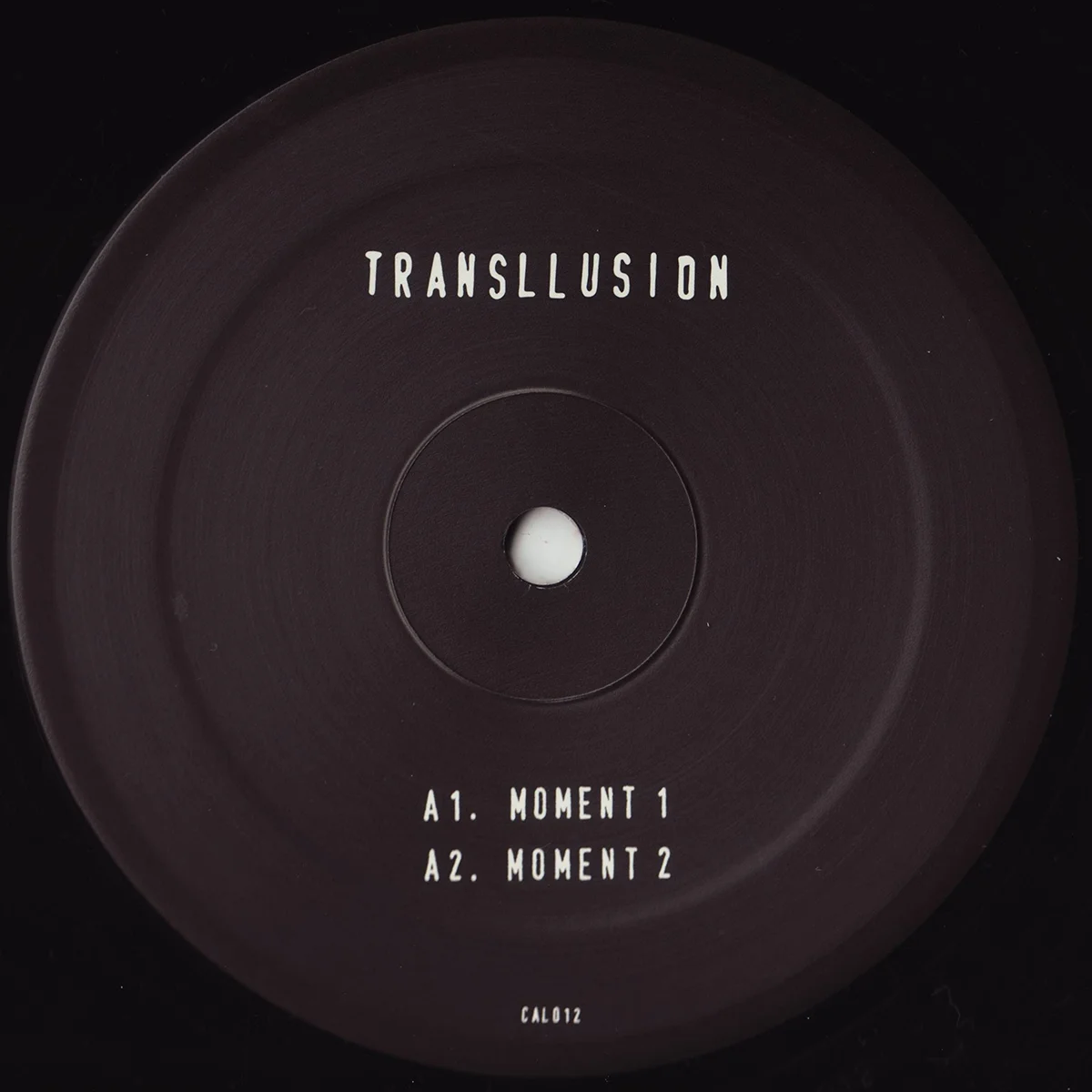
In 2001 and 2002, Drexciya undertook an ambitious creative experiment known as the “Seven Storms”—a cycle of seven albums released under different aliases, each exploring a different aspect of their sonic and conceptual universe. Only one of these, “Harnessed the Storm,” was released under the Drexciya name. The remaining six were released under different aliases, each representing an arm of the greater Drexciyan world:
-
Transllusion – “The Opening of the Cerebral Gate” and “L.I.F.E.”
-
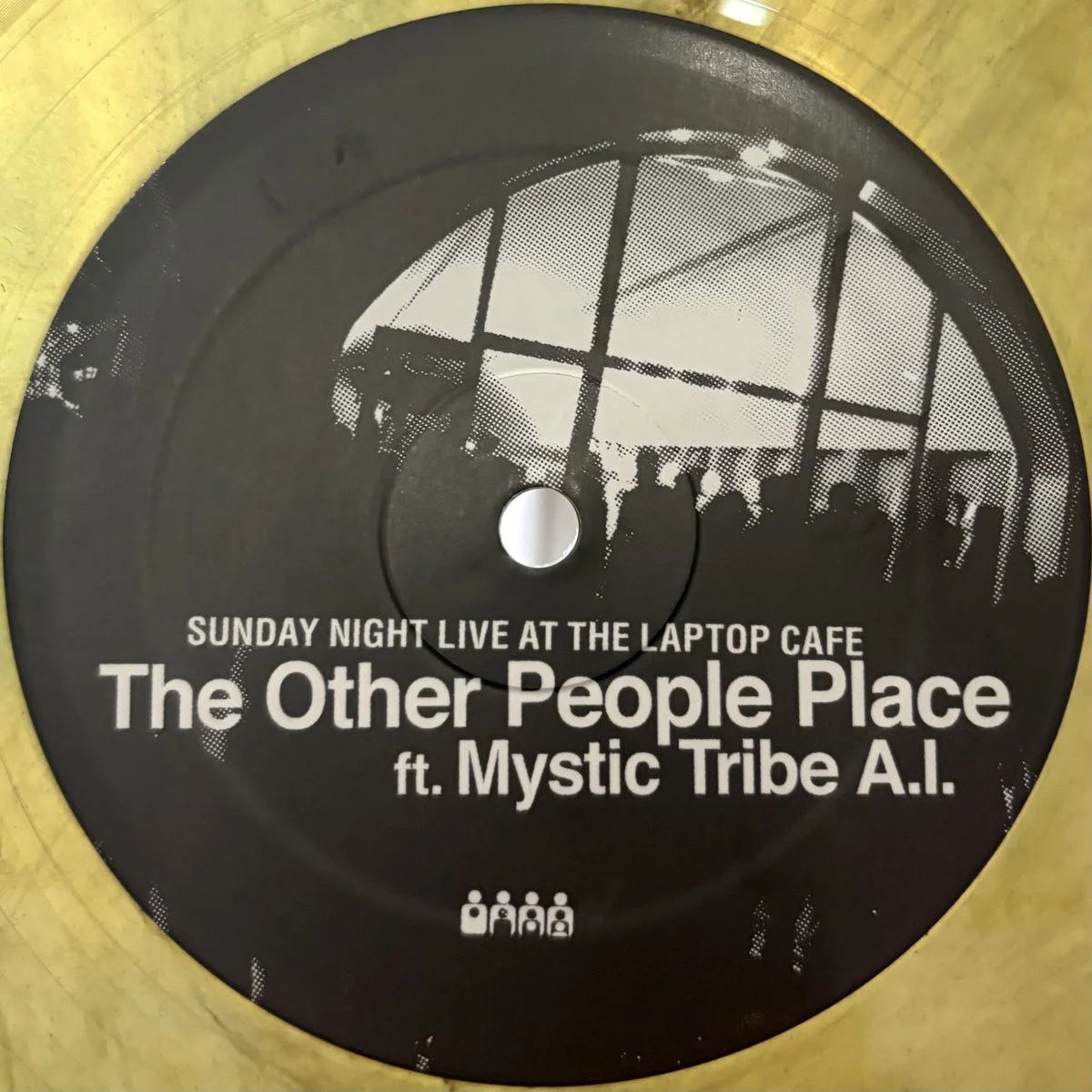
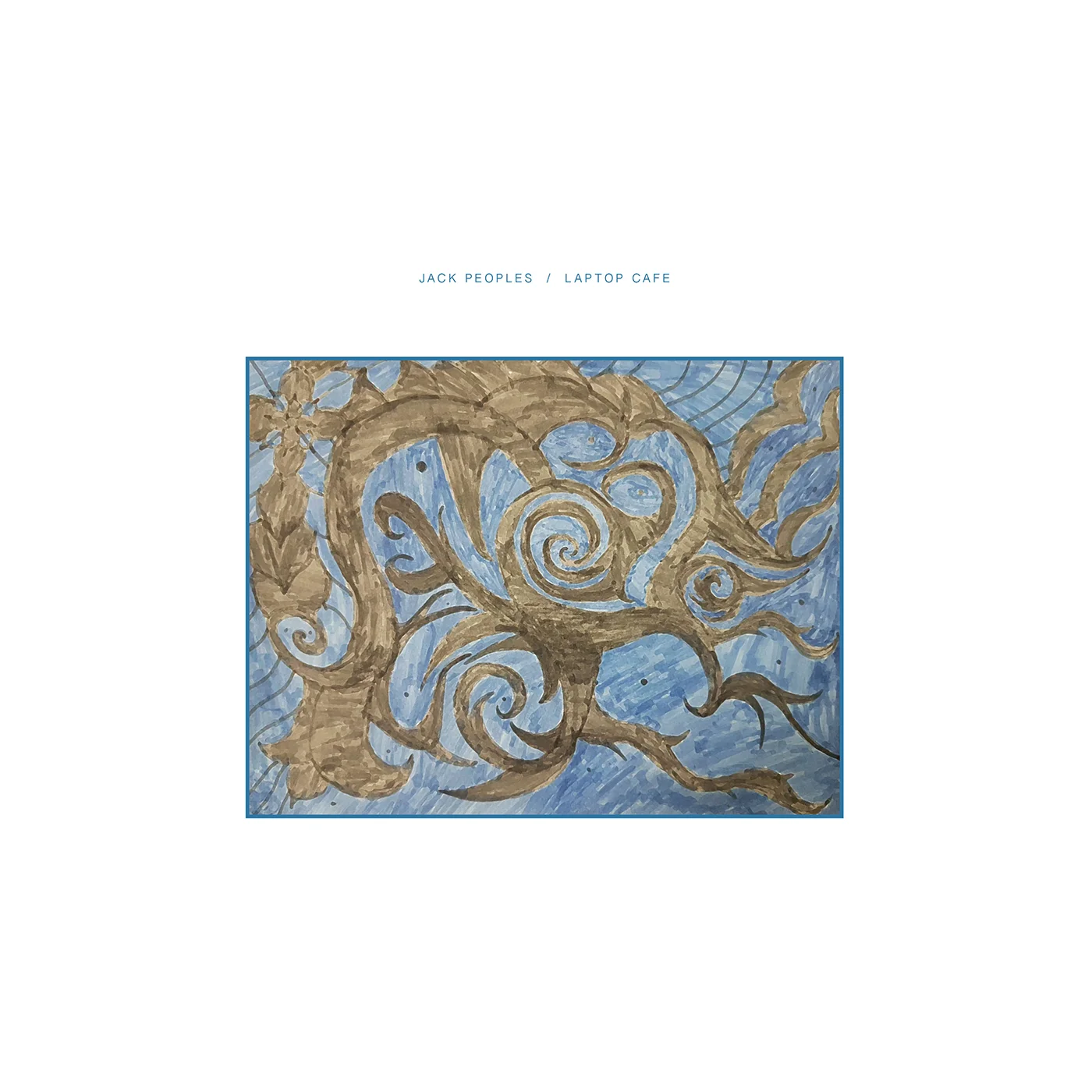
The Other People Place – “Lifestyles of the Laptop Café”
-
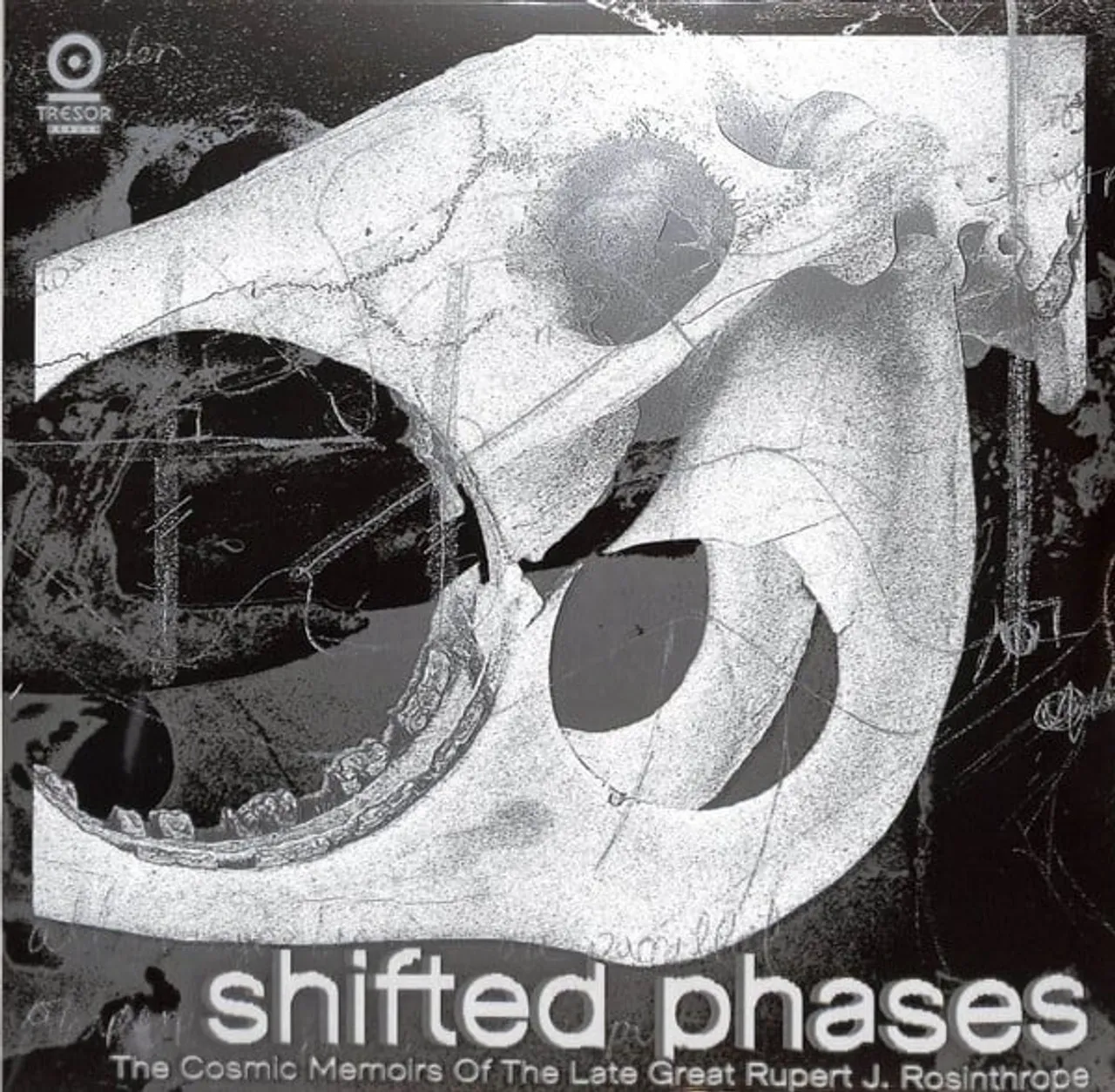
Shifted Phases – “The Cosmic Memoirs of the Late Great Rupert J. Rosinthrope”
-
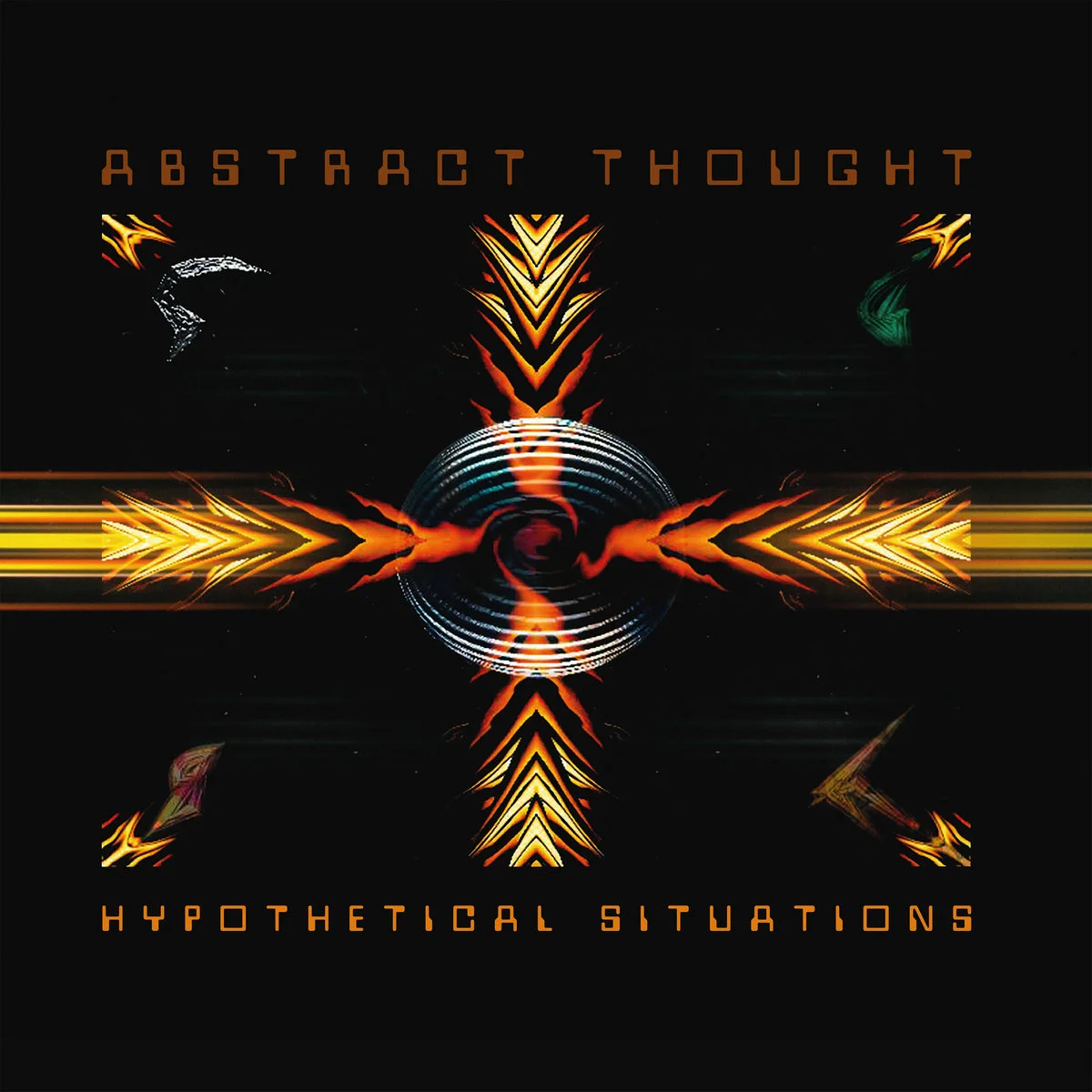
Abstract Thought – “Hypothetical Situations”
-
Lab Rat XL – “Mice or Cyborg”
-
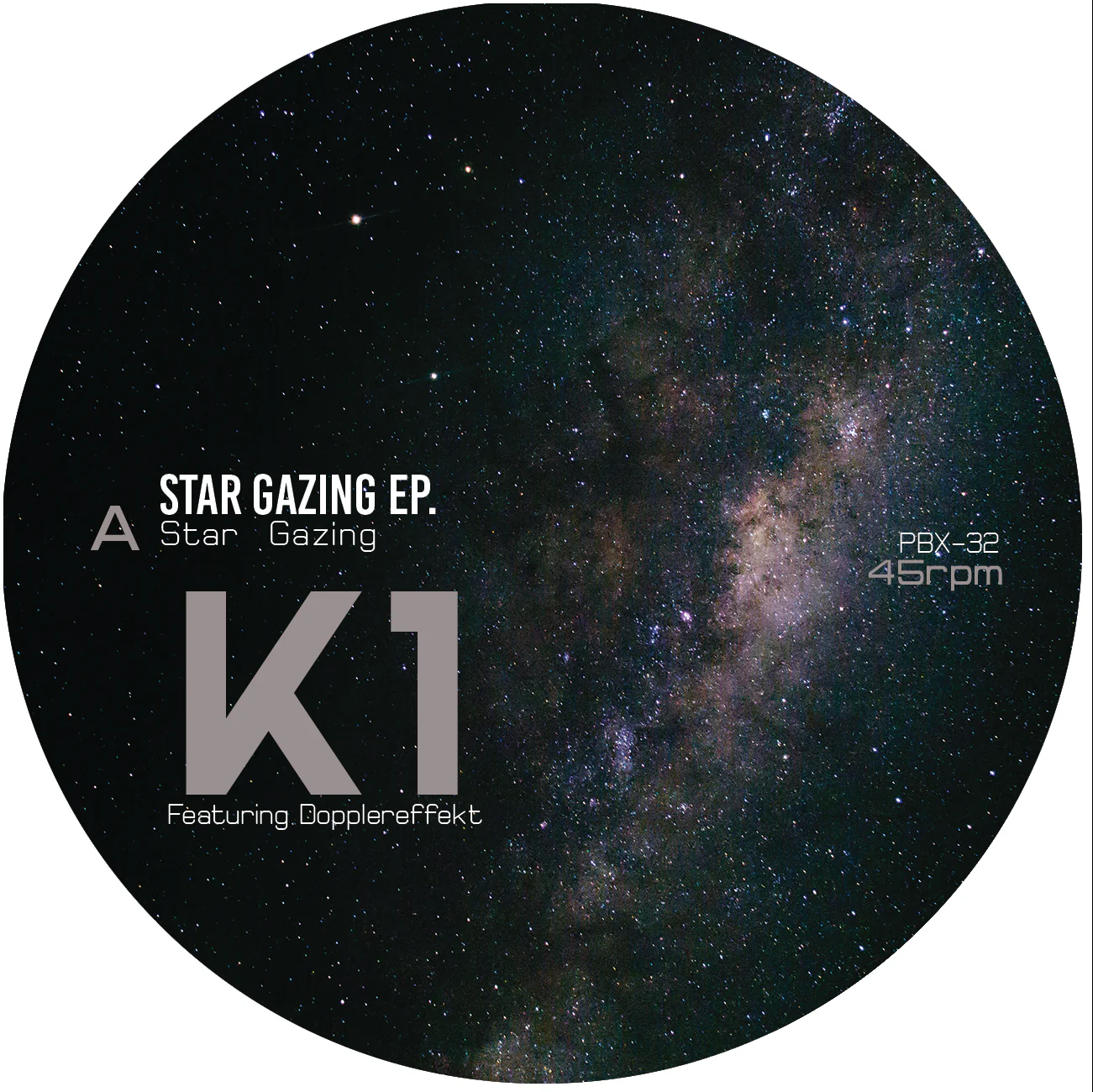
Dopplereffekt – a long-running project by Gerald Donald (post-Stinson), exploring coldwave, science, and industrial themes
Each release was conceptually linked yet sonically distinct—some embracing warmth and emotional depth, others clinical precision and abstraction. All carried Drexciya’s hallmark: a sense of mystery, coded language, and refusal to conform.
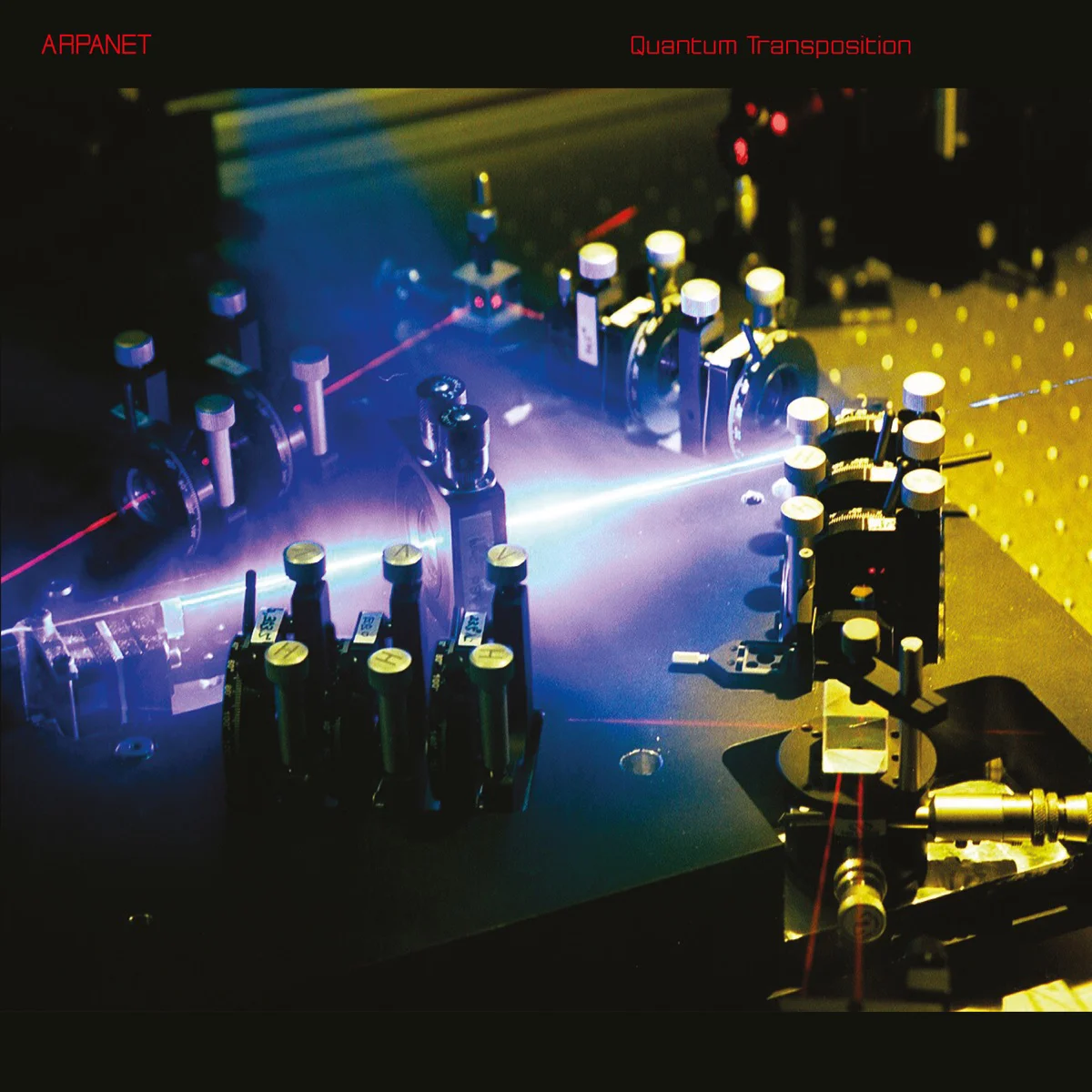
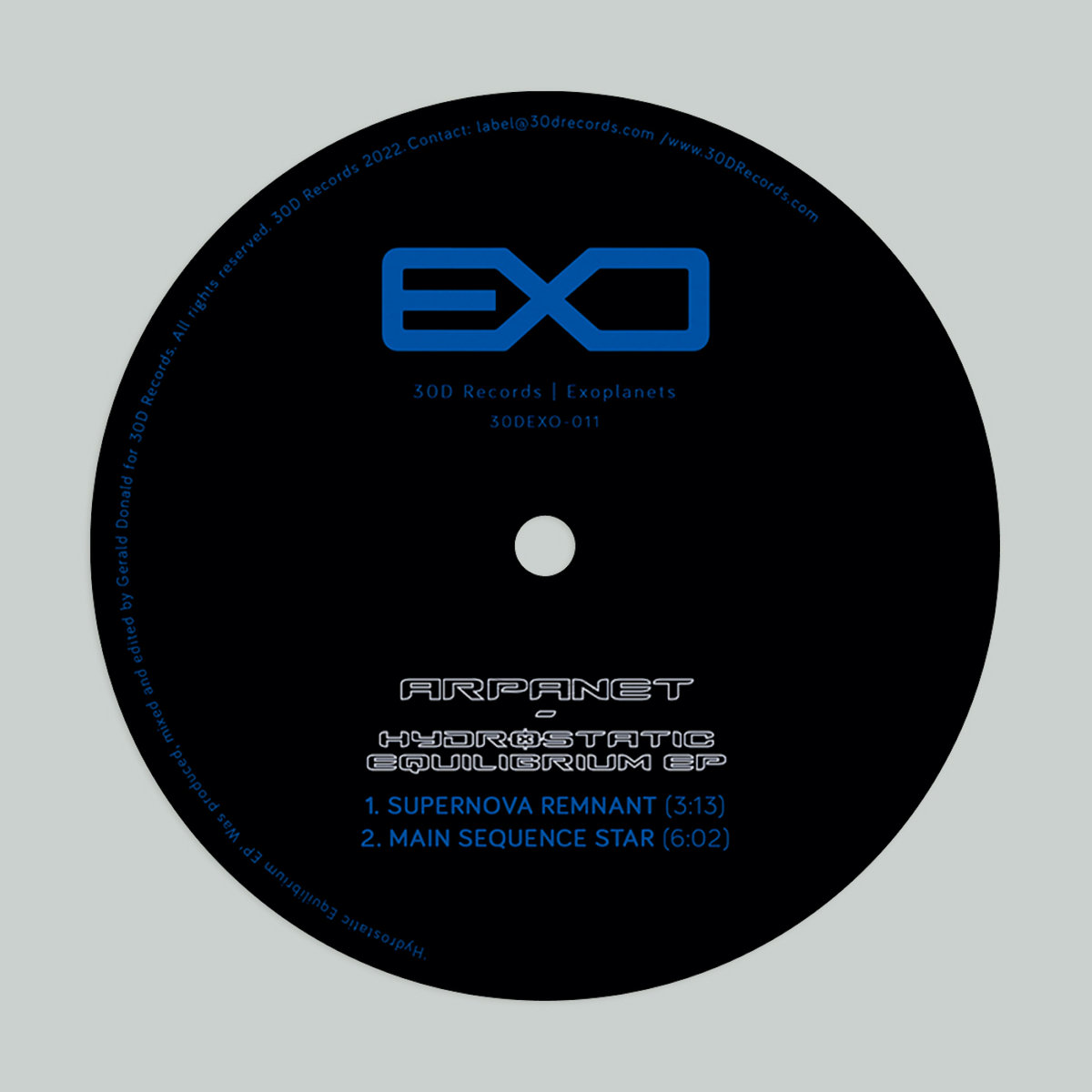
Tragically, James Stinson passed away in 2002 at the age of 32, shortly after completing the Seven Storms project. In accordance with his wishes, the duo never performed live, and interviews were rare. Instead, Drexciya’s work was left to speak entirely for itself, and over time, its cult reputation grew. The remaining member, Gerald Donald, continued to explore related themes in his ongoing projects including Dopplereffekt, Arpanet, Heinrich Mueller, Japanese Telecom, and more.
Drexciya’s refusal to play into music industry norms was as radical as their sound. They masked their identities, avoided media hype, and operated on a completely independent level. Their records circulated among dedicated collectors and DJs, with pressing numbers often limited, artwork sparse, and credits cryptic. But rather than obscuring their message, this approach magnified it—encouraging deeper listening, decoding, and connection.
Beyond music, Drexciya’s legacy is deeply tied to cultural and intellectual movements. They are frequently referenced in academic writing on Afrofuturism and speculative fiction, alongside figures like Octavia Butler and Sun Ra. Their mythos offers a vision of Black identity not rooted in struggle alone, but in transformation, resilience, and advanced technological possibility. The underwater Drexciyan world becomes not just a fantasy—but a metaphor for submerged narratives and hidden histories, reframed as spaces of power.
Drexciya’s music has since been reissued by Clone Records in the Netherlands, making much of their work available to a new generation. Each reissue is treated with care, reflecting the archival and cultural importance of the material. Yet the mystery remains intact. Even in wider circulation, the Drexciyan myth resists full explanation—it demands engagement, imagination, and reflection.
In their absence, Drexciya continues to ripple through the electronic music world. Their influence is audible in the work of artists across techno, electro, ambient, and experimental genres. But more than any single style, what endures is the uncompromising ethos: a belief in self-definition, in sonic world-building, and in the use of music as a vessel for deeper truths. Whether viewed as art, resistance, or cosmology, Drexciya stands as one of the most visionary and essential projects in the history of electronic music.
These releases are confirmed or widely accepted as being co-produced by James Stinson and Gerald Donald during the active period of Drexciya as a duo.
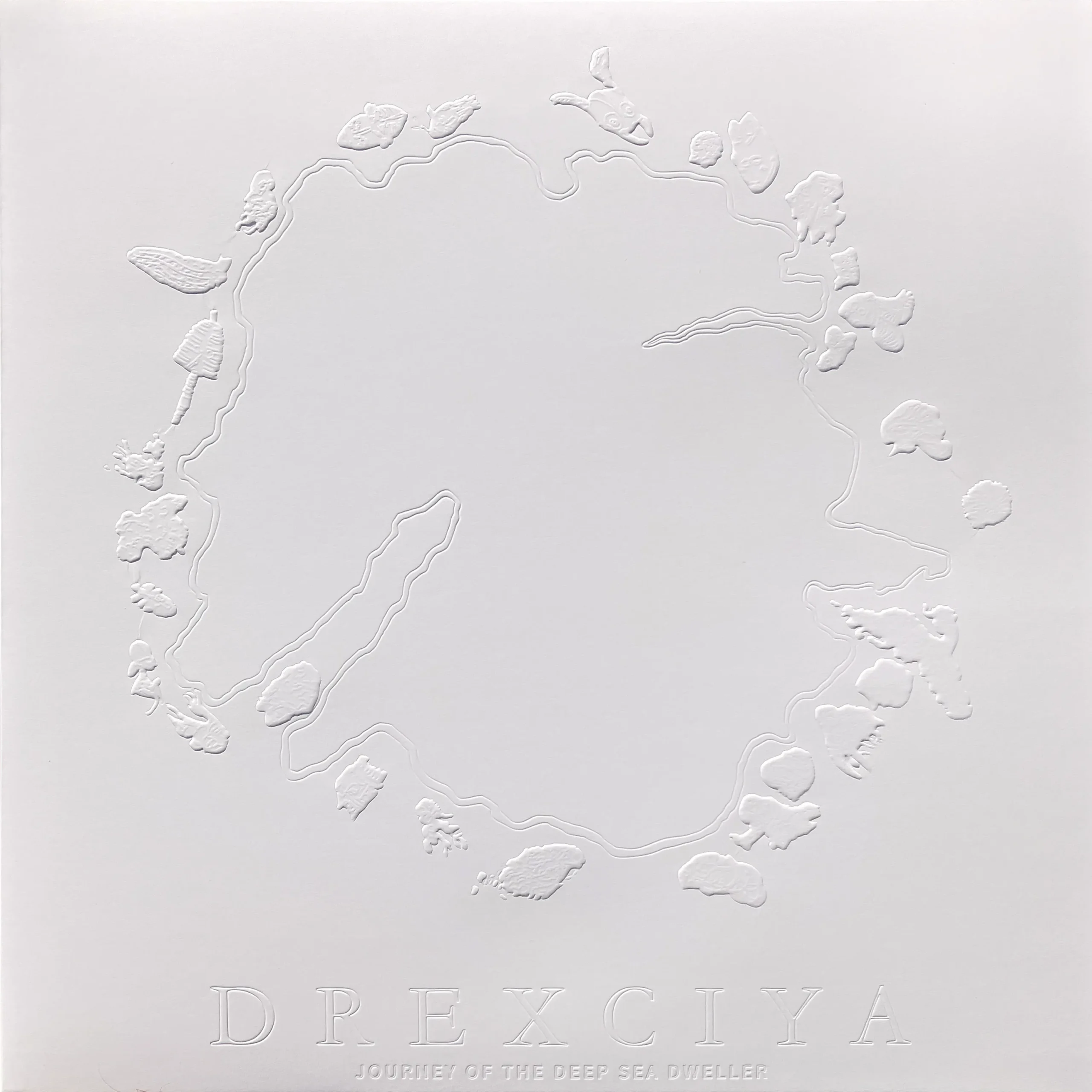
- Deep Sea Dweller (1992, Shockwave)
- Bubble Metropolis (1993, Underground Resistance)
- Unknown Aquazone (1994, Submerge)
- Aquatic Invasion (1995, Underground Resistance)
- The Journey Home (1995, Warp)
- The Return of Drexciya (1996, Underground Resistance)
- The Quest (1997, Submerge) — compilation with early and unreleased tracks
- Neptune’s Lair (1999, Tresor)
- Hydro Doorways (2000, Tresor)
- Harnessed the Storm (2002, Tresor)
- Digital Tsunami (2002, Tresor)
- Grava 4 (2002, Clone Aqualung)
- Drexciyan Connection (2003, Rephlex) — posthumous compilation
It is rumored that after The Return of Drexciya (1996), Gerald Donald is believed to have withdrawn from the project. From Neptune’s Lair onward, Drexciya is considered by some to be James Stinson solo.
Filter Records
Genre
- Afrobeat (3)
- Boogie (5)
- Modern Boogie (1)
- Disco (2)
- Italo-disco (1)
- Edit Culture (1)
- Electronic (188)
- Acid (2)
- Acid Techno (1)
- Ambient (5)
- Ambient Techno (2)
- Balearic (1)
- Basic Channel related (39)
- Bass Music (2)
- Beat-Boogie (2)
- Beat‑Driven Experimental (1)
- Deep House (13)
- Detroit (15)
- Disco Dub (1)
- Disco House (1)
- Downtempo (2)
- Drexciya related (22)
- Drum & Bass (1)
- Dub (2)
- Dub House (2)
- Dub Techno (34)
- Electro (37)
- Experimental (26)
- Garage House (1)
- House (13)
- Industrial (2)
- Jazz Dance (1)
- Juan Atkins related (5)
- Left‑field (2)
- Live Electronic (3)
- LOFI House (1)
- Machine Funk (1)
- Minimal (10)
- Minimal Techno (6)
- New Wave (1)
- Plus-8 related (4)
- Progressive House (1)
- Progressive Techno (1)
- Progressive Trance (1)
- Psychedelia (2)
- Rhythm & Sound related (40)
- Soulful House (1)
- Synth Pop (2)
- Synth‑Improvised (1)
- Techno (67)
- Trance (1)
- Vaporwave-infused Beats (5)
- Experimental Rock (1)
- Funk (26)
- Bedroom Funk (2)
- Electro-Funk (2)
- G‑Funk (4)
- Modern Funk (2)
- Synth Funk (1)
- West Coast Funk (1)
- Gospel (1)
- Hip Hop (124)
- Abstract Hip Hop (5)
- Alternative Hip Hop (4)
- Beat Tape (8)
- Boom Bap (19)
- Broken beat (1)
- Chillhop (1)
- Classic Hip Hop (7)
- Conscious Hip Hop (6)
- Contemporary Hip Hop (1)
- Downtempo Beat Music (2)
- East Coast Hip Hop (9)
- Experimental Hip Hop (13)
- Funk/Soul Hip Hop (5)
- Hardcore Hip Hop (4)
- Instrumental Hip Hop (39)
- J Dilla Related (16)
- Jazz Hip Hop (20)
- Jazz-inflected Beat (3)
- Left‑field rap (0)
- Lo‑Fi Hip Hop (8)
- Madlib Related (28)
- MF Doom Related (15)
- Plunderphonics (1)
- Psychedelic Hip Hop (2)
- Ragga Hip Hop (1)
- Remix Hip Hop (2)
- Sampledelia (6)
- Trip Hop (1)
- Trip‑hop (1)
- Turntablism (2)
- Underground Beat Music (1)
- Underground Hip Hop (17)
- West Coast Hip Hop (7)
- Indie (2)
- Jazz (18)
- Acid Jazz (0)
- Bebop (2)
- Blues Piano (1)
- Contemporary Jazz (3)
- Cool Jazz (2)
- Free Jazz (1)
- Future Jazz (0)
- Hard Bop (8)
- Jazz-Funk (0)
- Jazz-Fusion (0)
- Modern Jazz (2)
- Post-Bop (4)
- Soul Jazz (5)
- Limited Edition (23)
- Lo-fi (3)
- Lo-Fi Beat (1)
- Mixed Album (3)
- Pop (15)
- Alternative Indie (1)
- Dream Pop (2)
- Indie Pop (9)
- Psychedelic Pop (5)
- Synth Pop (3)
- Pressed at Analog Dreams (4)
- Psychedelic (1)
- R&B (7)
- Contemporary R&B (2)
- Reggae (1)
- Rock (5)
- Alternative Rock (1)
- Experimental Rock (1)
- Soft Rock (3)
- Soul (32)
- Blue-Eyed Soul (1)
- Future Soul (1)
- Lo-Fi Soul (1)
- Neo-Soul (8)
- Pop Soul (1)
- Psychedelic Soul (2)
- Retro Soul (1)
- Spoken Word (2)
- World Music (1)
Artist
- 0 Records
- A Tribe Called Quest
- A. Shakir
- A.O.S
- Aaron Carl
- Air Kraft Vision
- Alden Tyrell
- Analog Dreams
- Andrea Ottomani Nontet
- Anthony Naples
- Antony Coppens
- Apifera
- Art Blakey
- Augustus Williams
- Aux 88
- B-Sides (Frank De Wulf)
- Basic Channel
- Benny Sings
- Big Hands
- Big Tone
- Blake Baxter
- Bloomy Meadows
- Blu
- BluRum13
- Boris Blenn
- Breeze Brewin
- Brian Ellis
- Bruce Haack
- Bugseed
- Caps Lock
- Carl Craig
- Chaos
- Charizma
- Charlie Byrd
- Chris Read
- Cocoo
- Colonel Red
- Connie Price & The Keystones
- Cyrus
- Dam-Funk
- Dan Curtin
- DCE
- Declaime
- Defari
- Destani Wolf
- Detroit In Effect
- Dexter Gordon
- Digital Underground
- Distance
- DJ Bone
- DJ EFN
- DJ Motora
- DJ Premier
- DJ Sotofett
- DJ Spider
- DJ Spinna
- DJ Stingray 313
- Dopplereffekt
- Drexciya
- Dudley Perkins
- Duke Ellington
- Eden Transmission
- EDO8
- EPMD
- Eric B. & Rakim
- Erin Buku
- Exquisite Corpse
- Fatlip
- Firn
- Forest Drive West
- Formant Value
- Franklin De Costa
- Gang Starr
- Gensu Dean
- Georgia Anne Muldrow
- Gerry Mulligan
- Guilty Simpson
- Guru
- Hardlife
- Harmonious Thelonious
- Huey Mnemonic
- Inkswel
- Isaiah Deshon
- J Dilla
- J. Rawls
- J.Rocc
- James Pants
- Jay Duncan
- Jerry Paper
- Jessbeatz
- Jimmy Smith
- John Carroll Kirby
- John Coltrane
- John Gray
- Jonti
- Jonwayne
- Jordan GCZ
- Juan Atkins
- K‑Def
- Kiefer
- King Gizzard & The Lizard Wizard
- King Pari
- Knxwledge
- Kool Keith
- Lake Haze
- Lee Morgan
- Lee Scratch Perry
- LKR
- Local‑Mu12
- Lord Sko
- Lucy
- LYMA
- Lyrics Born
- Mackjunt
- Mad Mike
- Madlib
- Maimouna Haugen
- Mano De Fuego
- Marco Polo
- Masta Ace
- Matchless Gift
- Max Watts
- Mayer Hawthorne
- Meade "Lux" Lewis
- Method Man
- MF Doom
- Mike Ellison
- Mike Huckaby
- Mild High Club
- Mndsgn
- Monolake
- Mood
- Moodorama
- Moodymann
- Mr. Fingers
- NAS
- Neuro State
- Nickelman
- Nicolò
- Niklas Wandt
- Non Phixion
- NxWorries
- Octagon
- Oh No
- Om Unit
- Ordo Sakhna
- Pascal Hetzel
- Peanut Butter Wolf
- Pearl & The Oysters
- Percee P
- Peven Everett
- piska power
- Plastikman
- Potatohead People
- Prince Language
- Professor Creepshow
- Psyance
- Quadrant
- Raekwon
- Reel by Real
- RS Tangent
- Sai Galaxy
- Saib
- Samiyam
- Scan 7
- Secret Circuit
- Shinji
- Showbiz & A.G.
- Sick Hardcore
- Silas Short
- Silver Apples
- Solid Gold Playaz
- Sonny Clarke
- Soreab
- Sound Synthesis
- Speedy J
- Stan Getz
- Steam Down
- Steve Spacek
- Stimulator Jones
- Street Life
- Suburban Knight
- Suncream
- Surgeon
- Talib Kweli
- Terrence Dixon
- The Advent
- The Allergies
- The Black Dog
- The Exaltics
- The Stepkids
- Thelonious Monk
- Tommy Martini
- Tony Allen
- Tony Cook
- trog’low
- Tuxedo
- Underground Resistance
- Various Artists
- Vex Ruffin
- White Mice
- Worli
- XL Middleton
- Yazmin Lacey
- Your Old Droog
- Zackey Force Funk
- Zapp
- Zein
- Zopelar
Label
- 0 Records
- Alleviated Records
- Anacalypto Records
- Apparel Music
- Atlantic
- Avec Plaisir
- Baroque Sunburst
- Basic Channel
- Beat Junkie Sound
- Berceuse Heroique
- Big Dada
- Blacksmith Music
- Blue Note
- Chicken Coop Recordings
- Chrysalis Records
- Clone Aqualung Series
- Clone Classic Cuts
- Clone Jack For Daze
- Clone West Coast Series
- Cold Busted
- Columbia
- Compost Records
- Correct Technique US
- Cosmocities
- Craft Recordings
- Cultivated Electronics
- D.I.T.C. Records
- DCE Records
- Disk
- DOL
- Dust Science Recordings
- Ebonite Records
- Electrostatic
- Elypsia
- Emotions Electric
- EPM Music
- Evasione Digitale
- ExoPlanets
- Fat Beats Records
- Field Recordings
- Guilty By Association
- Hobo Camp
- Honest Jon's Records
- Ice H20
- Impressed Recordings
- Inner Tribe Records
- Jalapeno Records
- Javotti Media
- Junkadelic Music
- Kapp Records
- Lazy Reflex Complex
- Lex Records
- Life And Death
- Limited Network
- Livity Sound
- Loyalty Digital Corp.
- M.A.P.
- Madlib Invazion
- Marco Polo Beats
- Marionette
- Matic Records
- Maurizio/M-Series
- Mello Music Group
- Metroplex
- MoFunk Records
- Mr Bongo
- Music Man Records
- Nature Sounds
- Not On A Label
- NovaMute
- Paraiso
- Pay Jay Productions
- Payday
- Peacefrog
- Post Up Music
- Power Station
- Púca Sounds
- Puzzlebox Records
- Rapster
- Redefinition Records
- Rhino
- Roots
- Rush Hour
- SIC Records
- SomeOthaShip Connect
- Sound Metaphors Records
- SPA Recordings
- Spaghetti Bender Music
- Still Music
- Stimulated Records
- Stones Throw Records
- Street Education Records
- Superjock Records
- The Funky President
- The Playground
- The Trilogy Tapes
- Tommy Boy
- Transmigration
- Tresor
- Tuff Kong Records
- UBB Enterprises
- Uncle Howie Records
- Underground Resistance
- URBNET Records
- Verve Records
- Vintage Vibes
- Waxtime In Color