
MF Doom Related
MF DOOM, born Daniel Dumile on January 9, 1971, in London, was one of the most enigmatic and revered figures in hip hop. Though born in the UK, he was raised in Long Island, New York, by a Trinidadian mother and Zimbabwean father. He first emerged in the late 1980s as Zev Love X, a member of the group KMD (Kausing Much Damage), which he formed with his brother DJ Subroc and Onyx the Birthstone Kid. KMD was known for socially conscious lyrics and afrocentric themes. Their debut album Mr. Hood (1991) on Elektra Records reflected a vibrant, sample-heavy sound layered with commentary on race, identity, and media stereotypes.
Tragedy struck in 1993 when Subroc was killed by a car just days before KMD was set to submit their second album Black Bastards. In the aftermath, Elektra dropped the group—partly due to the album’s provocative cover art—and Dumile disappeared from the music scene. For years, he lived in obscurity, grieving the loss of his brother and experiencing homelessness.
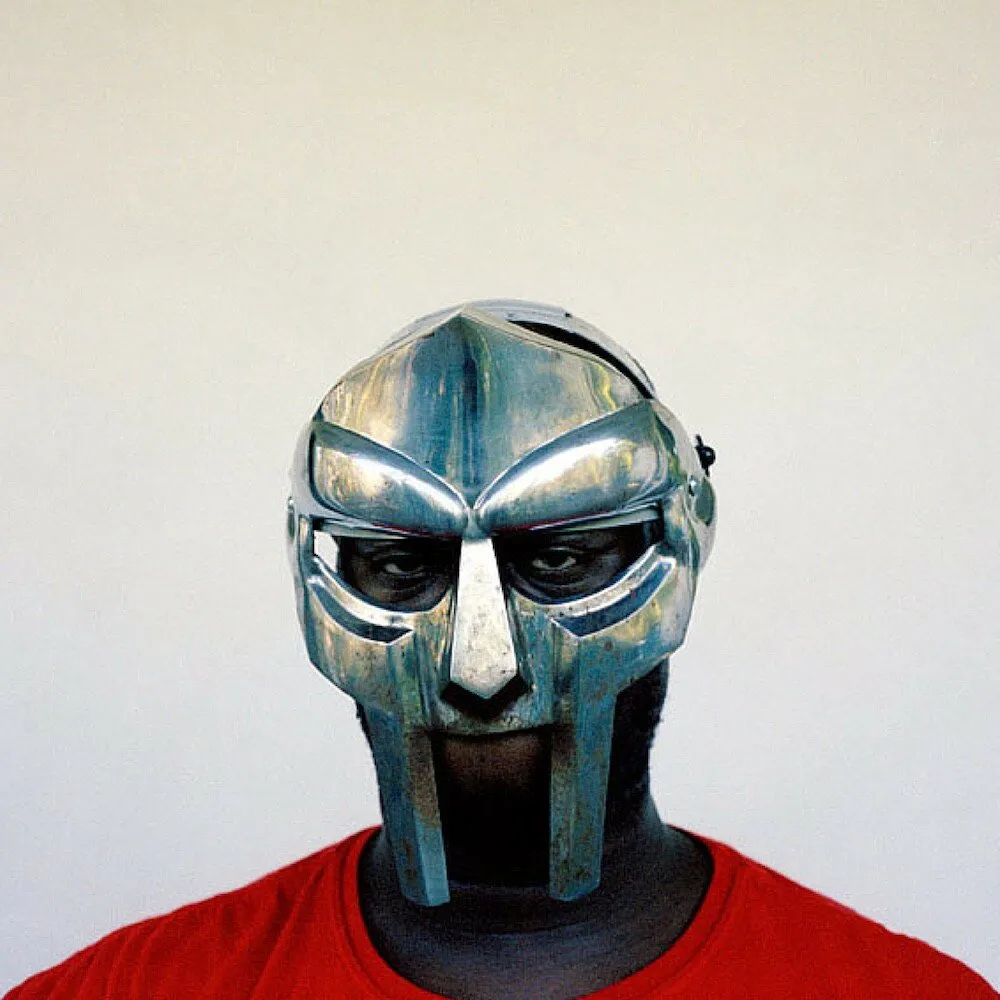
When he returned in the late 1990s, he did so with a new name, a mask, and a vengeance. Inspired by the Marvel villain Doctor Doom, he reemerged as MF DOOM—an alias that signified both reinvention and resistance. Covering his face with a metal mask and speaking through cryptic, intricately layered verses, he became a figure of mystery and depth in hip hop. His 1999 debut as MF DOOM, Operation: Doomsday, was a raw, lo-fi masterpiece that merged cartoon samples with stream-of-consciousness rhyme schemes. It immediately established him as a one-of-a-kind voice in underground rap.
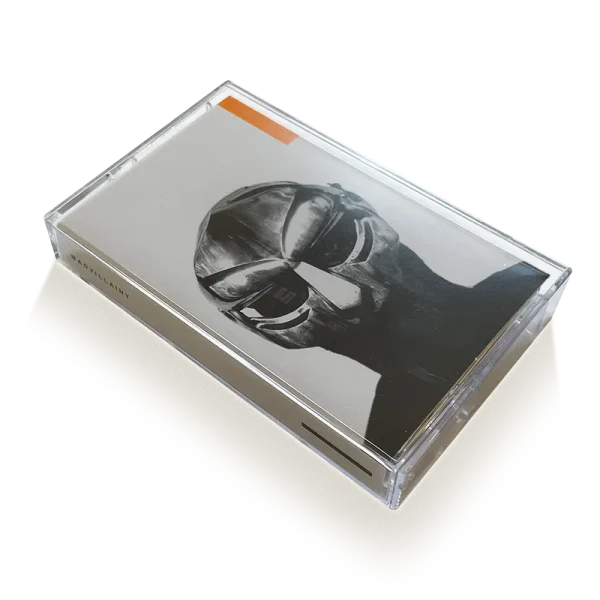
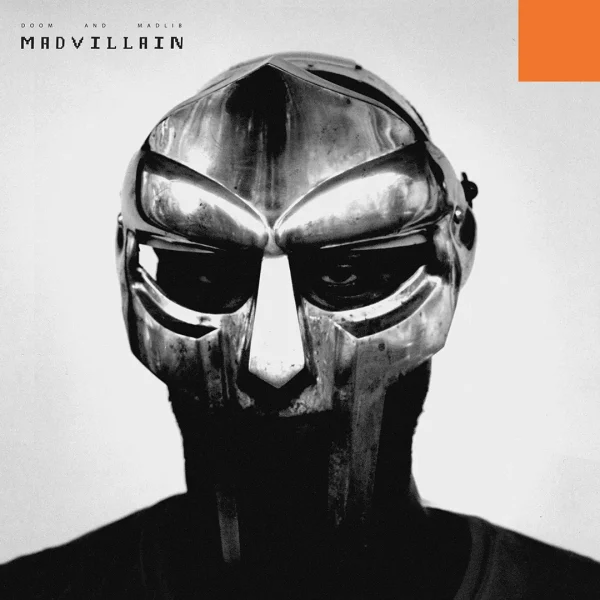
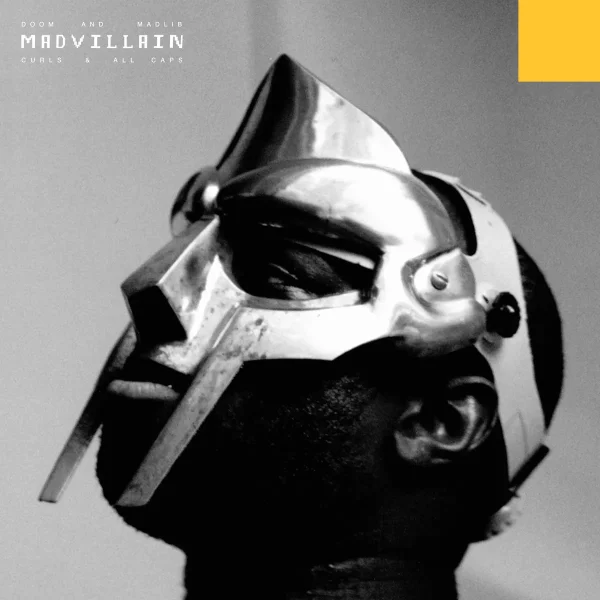
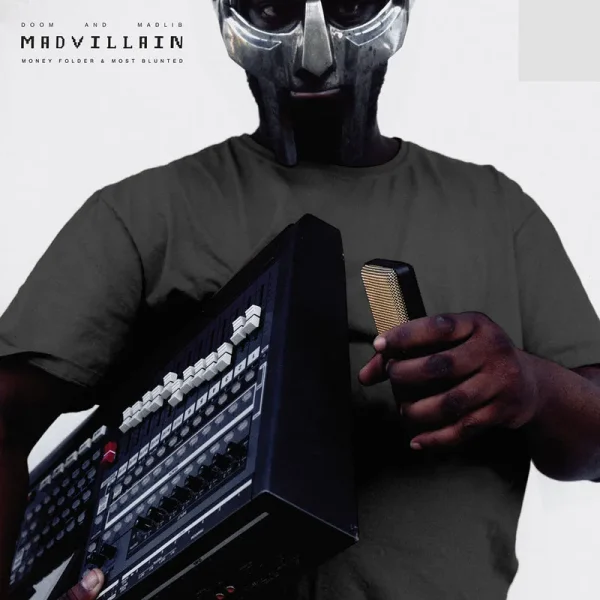
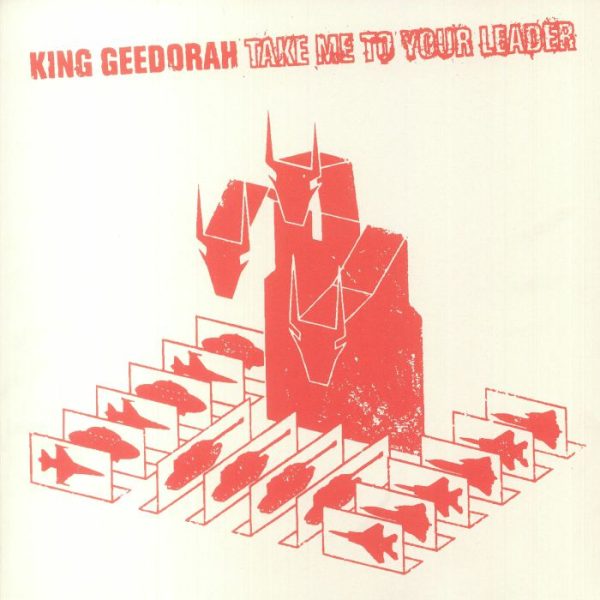
Between 2001 and 2005, MF DOOM entered an incredibly prolific period, using multiple alter egos to explore different corners of his creativity. As King Geedorah, he released Take Me to Your Leader (2003), a sci-fi themed project built on cinematic samples and apocalyptic moods. Under the name Viktor Vaughn, he dropped Vaudeville Villain (2003), a younger and grittier persona with razor-sharp narratives. As MF DOOM, he delivered the fan-favorite MM..FOOD (2004), an album devoted entirely to food-related wordplay and deep philosophical themes, all over dusty, home-cooked beats. But it was Madvillainy (2004), his collaboration with producer Madlib under the name Madvillain, that became his most celebrated work. Widely considered one of the greatest hip hop albums of all time, it showcased DOOM’s lyrical density paired with Madlib’s psychedelic, collage-like production. Its influence reverberates through multiple generations of artists.
He was also half of DangerDOOM with producer Danger Mouse, releasing The Mouse and the Mask in 2005 in partnership with Adult Swim. This collaboration fused DOOM’s dense lyricism with cartoon soundbites and surreal humour. Each of these projects deepened the mythology of DOOM—not just as a rapper, but as a world-builder who played with identity, narrative, and form.
MF DOOM became the embodiment of artistic independence, refusing to bend to commercial trends or industry rules. He rarely did interviews, often avoided the spotlight, and even sent stand-ins—so-called “DOOMposters”—to perform at shows in his place, a move that both angered fans and furthered his mystique. Yet his influence only grew. “Your favorite rapper’s favorite rapper” wasn’t just a phrase—it was a reality. Artists like Mos Def, Tyler, The Creator, Joey Bada$$, Earl Sweatshirt, Flying Lotus, Thom Yorke, and countless others have cited DOOM as a major inspiration. His intricate internal rhyme schemes, off-kilter cadences, and unapologetic approach to persona influenced generations of experimental hip hop artists and producers. Even Kanye West publicly expressed admiration for DOOM’s style and originality.
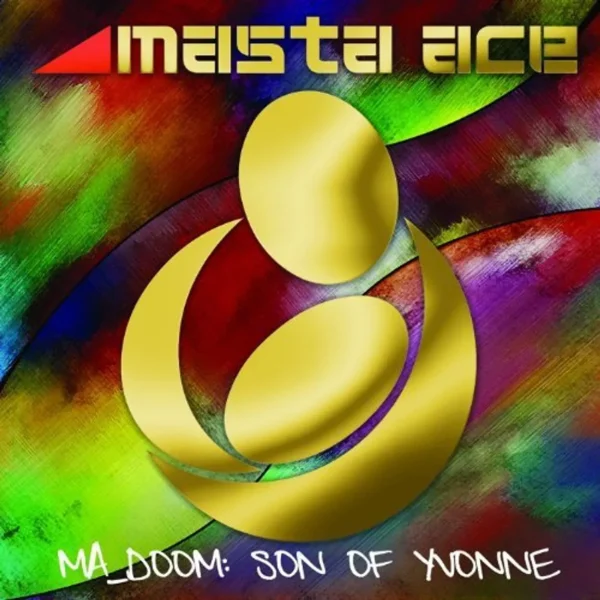
Though less active after the 2000s, he continued to release music and collaborate. Born Like This (2009) was his final solo studio album as MF DOOM, a darker, more intense record with verses as sharp as ever. He went on to collaborate with Ghostface Killah (as DOOMSTARKS), with young emcee Bishop Nehru (as NehruvianDOOM), and with Czarface on Czarface Meets Metal Face in 2018. His beats also formed the backbone of Masta Ace’s Son of Yvonne (2012), with Ace rapping over DOOM’s Special Herbs instrumentals in a heartfelt tribute to his late mother.
In later years, DOOM lived in the UK, unable to return to the United States due to visa issues following an international tour. He continued to create from the shadows, occasionally dropping verses, but largely keeping out of the public eye.
On December 31, 2020, the hip hop world was shocked by the announcement of DOOM’s death—made all the more jarring by the fact that he had actually passed away two months earlier, on October 31. His wife Jasmine revealed the news publicly, sharing no cause of death at the time. Later reports suggested complications from a reaction to blood pressure medication while he was in hospital care in the UK. The silence surrounding his passing, and the timing of the announcement, felt eerily consistent with the mythology he had built over his life—a man always in control of his narrative, right to the end.
In death, DOOM’s legend only grew. Tributes flooded social media, murals went up around the world, and DJs and producers released tribute mixes and remixes. His work has been preserved in countless retrospectives, remastered vinyl releases, and the continued inspiration of a new generation of artists. From the gritty streets of Long Island to the abstract world of underground mythos, MF DOOM carved a singular path. He blurred the line between character and creator, underground and mainstream, grief and triumph.
More than just a rapper, MF DOOM was a craftsman, a storyteller, a recluse, and a symbol of what’s possible when an artist refuses to conform. Through his alter egos and layered verses, he created a universe — one that continues to expand long after his final breath.
Filter Records
Genre
- Afrobeat (3)
- Boogie (5)
- Modern Boogie (1)
- Disco (2)
- Italo-disco (1)
- Edit Culture (1)
- Electronic (188)
- Acid (2)
- Acid Techno (1)
- Ambient (5)
- Ambient Techno (2)
- Balearic (1)
- Basic Channel related (39)
- Bass Music (2)
- Beat-Boogie (2)
- Beat‑Driven Experimental (1)
- Deep House (13)
- Detroit (15)
- Disco Dub (1)
- Disco House (1)
- Downtempo (2)
- Drexciya related (22)
- Drum & Bass (1)
- Dub (2)
- Dub House (2)
- Dub Techno (34)
- Electro (37)
- Experimental (26)
- Garage House (1)
- House (13)
- Industrial (2)
- Jazz Dance (1)
- Juan Atkins related (5)
- Left‑field (2)
- Live Electronic (3)
- LOFI House (1)
- Machine Funk (1)
- Minimal (10)
- Minimal Techno (6)
- New Wave (1)
- Plus-8 related (4)
- Progressive House (1)
- Progressive Techno (1)
- Progressive Trance (1)
- Psychedelia (2)
- Rhythm & Sound related (40)
- Soulful House (1)
- Synth Pop (2)
- Synth‑Improvised (1)
- Techno (67)
- Trance (1)
- Vaporwave-infused Beats (5)
- Experimental Rock (1)
- Funk (26)
- Bedroom Funk (2)
- Electro-Funk (2)
- G‑Funk (4)
- Modern Funk (2)
- Synth Funk (1)
- West Coast Funk (1)
- Gospel (1)
- Hip Hop (124)
- Abstract Hip Hop (5)
- Alternative Hip Hop (4)
- Beat Tape (8)
- Boom Bap (19)
- Broken beat (1)
- Chillhop (1)
- Classic Hip Hop (7)
- Conscious Hip Hop (6)
- Contemporary Hip Hop (1)
- Downtempo Beat Music (2)
- East Coast Hip Hop (9)
- Experimental Hip Hop (13)
- Funk/Soul Hip Hop (5)
- Hardcore Hip Hop (4)
- Instrumental Hip Hop (39)
- J Dilla Related (16)
- Jazz Hip Hop (20)
- Jazz-inflected Beat (3)
- Left‑field rap (0)
- Lo‑Fi Hip Hop (8)
- Madlib Related (28)
- MF Doom Related (15)
- Plunderphonics (1)
- Psychedelic Hip Hop (2)
- Ragga Hip Hop (1)
- Remix Hip Hop (2)
- Sampledelia (6)
- Trip Hop (1)
- Trip‑hop (1)
- Turntablism (2)
- Underground Beat Music (1)
- Underground Hip Hop (17)
- West Coast Hip Hop (7)
- Indie (2)
- Jazz (18)
- Acid Jazz (0)
- Bebop (2)
- Blues Piano (1)
- Contemporary Jazz (3)
- Cool Jazz (2)
- Free Jazz (1)
- Future Jazz (0)
- Hard Bop (8)
- Jazz-Funk (0)
- Jazz-Fusion (0)
- Modern Jazz (2)
- Post-Bop (4)
- Soul Jazz (5)
- Limited Edition (23)
- Lo-fi (3)
- Lo-Fi Beat (1)
- Mixed Album (3)
- Pop (15)
- Alternative Indie (1)
- Dream Pop (2)
- Indie Pop (9)
- Psychedelic Pop (5)
- Synth Pop (3)
- Pressed at Analog Dreams (4)
- Psychedelic (1)
- R&B (7)
- Contemporary R&B (2)
- Reggae (1)
- Rock (5)
- Alternative Rock (1)
- Experimental Rock (1)
- Soft Rock (3)
- Soul (32)
- Blue-Eyed Soul (1)
- Future Soul (1)
- Lo-Fi Soul (1)
- Neo-Soul (8)
- Pop Soul (1)
- Psychedelic Soul (2)
- Retro Soul (1)
- Spoken Word (2)
- World Music (1)
Artist
- 0 Records
- A Tribe Called Quest
- A. Shakir
- A.O.S
- Aaron Carl
- Air Kraft Vision
- Alden Tyrell
- Analog Dreams
- Andrea Ottomani Nontet
- Anthony Naples
- Antony Coppens
- Apifera
- Art Blakey
- Augustus Williams
- Aux 88
- B-Sides (Frank De Wulf)
- Basic Channel
- Benny Sings
- Big Hands
- Big Tone
- Blake Baxter
- Bloomy Meadows
- Blu
- BluRum13
- Boris Blenn
- Breeze Brewin
- Brian Ellis
- Bruce Haack
- Bugseed
- Caps Lock
- Carl Craig
- Chaos
- Charizma
- Charlie Byrd
- Chris Read
- Cocoo
- Colonel Red
- Connie Price & The Keystones
- Cyrus
- Dam-Funk
- Dan Curtin
- DCE
- Declaime
- Defari
- Destani Wolf
- Detroit In Effect
- Dexter Gordon
- Digital Underground
- Distance
- DJ Bone
- DJ EFN
- DJ Motora
- DJ Premier
- DJ Sotofett
- DJ Spider
- DJ Spinna
- DJ Stingray 313
- Dopplereffekt
- Drexciya
- Dudley Perkins
- Duke Ellington
- Eden Transmission
- EDO8
- EPMD
- Eric B. & Rakim
- Erin Buku
- Exquisite Corpse
- Fatlip
- Firn
- Forest Drive West
- Formant Value
- Franklin De Costa
- Gang Starr
- Gensu Dean
- Georgia Anne Muldrow
- Gerry Mulligan
- Guilty Simpson
- Guru
- Hardlife
- Harmonious Thelonious
- Huey Mnemonic
- Inkswel
- Isaiah Deshon
- J Dilla
- J. Rawls
- J.Rocc
- James Pants
- Jay Duncan
- Jerry Paper
- Jessbeatz
- Jimmy Smith
- John Carroll Kirby
- John Coltrane
- John Gray
- Jonti
- Jonwayne
- Jordan GCZ
- Juan Atkins
- K‑Def
- Kiefer
- King Gizzard & The Lizard Wizard
- King Pari
- Knxwledge
- Kool Keith
- Lake Haze
- Lee Morgan
- Lee Scratch Perry
- LKR
- Local‑Mu12
- Lord Sko
- Lucy
- LYMA
- Lyrics Born
- Mackjunt
- Mad Mike
- Madlib
- Maimouna Haugen
- Mano De Fuego
- Marco Polo
- Masta Ace
- Matchless Gift
- Max Watts
- Mayer Hawthorne
- Meade "Lux" Lewis
- Method Man
- MF Doom
- Mike Ellison
- Mike Huckaby
- Mild High Club
- Mndsgn
- Monolake
- Mood
- Moodorama
- Moodymann
- Mr. Fingers
- NAS
- Neuro State
- Nickelman
- Nicolò
- Niklas Wandt
- Non Phixion
- NxWorries
- Octagon
- Oh No
- Om Unit
- Ordo Sakhna
- Pascal Hetzel
- Peanut Butter Wolf
- Pearl & The Oysters
- Percee P
- Peven Everett
- piska power
- Plastikman
- Potatohead People
- Prince Language
- Professor Creepshow
- Psyance
- Quadrant
- Raekwon
- Reel by Real
- RS Tangent
- Sai Galaxy
- Saib
- Samiyam
- Scan 7
- Secret Circuit
- Shinji
- Showbiz & A.G.
- Sick Hardcore
- Silas Short
- Silver Apples
- Solid Gold Playaz
- Sonny Clarke
- Soreab
- Sound Synthesis
- Speedy J
- Stan Getz
- Steam Down
- Steve Spacek
- Stimulator Jones
- Street Life
- Suburban Knight
- Suncream
- Surgeon
- Talib Kweli
- Terrence Dixon
- The Advent
- The Allergies
- The Black Dog
- The Exaltics
- The Stepkids
- Thelonious Monk
- Tommy Martini
- Tony Allen
- Tony Cook
- trog’low
- Tuxedo
- Underground Resistance
- Various Artists
- Vex Ruffin
- White Mice
- Worli
- XL Middleton
- Yazmin Lacey
- Your Old Droog
- Zackey Force Funk
- Zapp
- Zein
- Zopelar
Label
- 0 Records
- Alleviated Records
- Anacalypto Records
- Apparel Music
- Atlantic
- Avec Plaisir
- Baroque Sunburst
- Basic Channel
- Beat Junkie Sound
- Berceuse Heroique
- Big Dada
- Blacksmith Music
- Blue Note
- Chicken Coop Recordings
- Chrysalis Records
- Clone Aqualung Series
- Clone Classic Cuts
- Clone Jack For Daze
- Clone West Coast Series
- Cold Busted
- Columbia
- Compost Records
- Correct Technique US
- Cosmocities
- Craft Recordings
- Cultivated Electronics
- D.I.T.C. Records
- DCE Records
- Disk
- DOL
- Dust Science Recordings
- Ebonite Records
- Electrostatic
- Elypsia
- Emotions Electric
- EPM Music
- Evasione Digitale
- ExoPlanets
- Fat Beats Records
- Field Recordings
- Guilty By Association
- Hobo Camp
- Honest Jon's Records
- Ice H20
- Impressed Recordings
- Inner Tribe Records
- Jalapeno Records
- Javotti Media
- Junkadelic Music
- Kapp Records
- Lazy Reflex Complex
- Lex Records
- Life And Death
- Limited Network
- Livity Sound
- Loyalty Digital Corp.
- M.A.P.
- Madlib Invazion
- Marco Polo Beats
- Marionette
- Matic Records
- Maurizio/M-Series
- Mello Music Group
- Metroplex
- MoFunk Records
- Mr Bongo
- Music Man Records
- Nature Sounds
- Not On A Label
- NovaMute
- Paraiso
- Pay Jay Productions
- Payday
- Peacefrog
- Post Up Music
- Power Station
- Púca Sounds
- Puzzlebox Records
- Rapster
- Redefinition Records
- Rhino
- Roots
- Rush Hour
- SIC Records
- SomeOthaShip Connect
- Sound Metaphors Records
- SPA Recordings
- Spaghetti Bender Music
- Still Music
- Stimulated Records
- Stones Throw Records
- Street Education Records
- Superjock Records
- The Funky President
- The Playground
- The Trilogy Tapes
- Tommy Boy
- Transmigration
- Tresor
- Tuff Kong Records
- UBB Enterprises
- Uncle Howie Records
- Underground Resistance
- URBNET Records
- Verve Records
- Vintage Vibes
- Waxtime In Color