
Underground Resistance
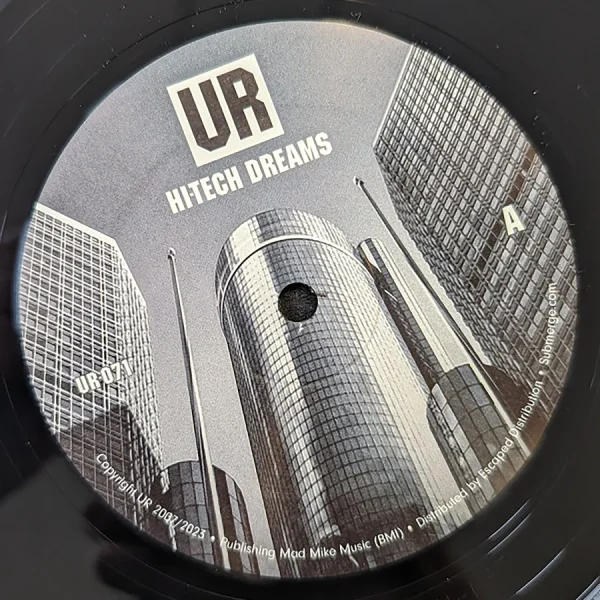
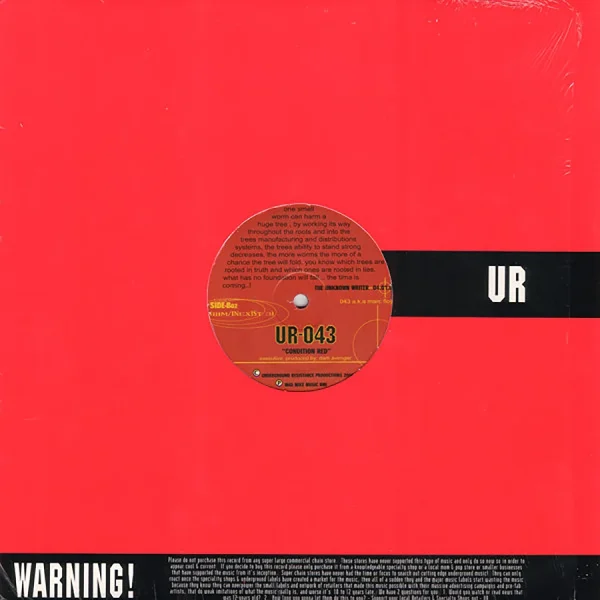
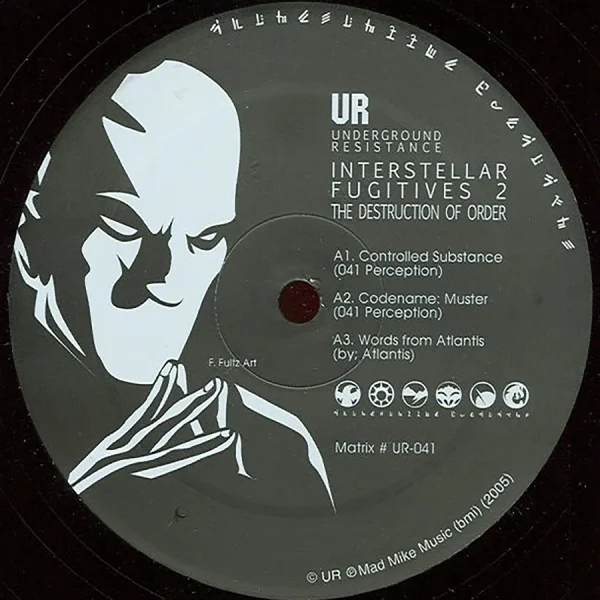
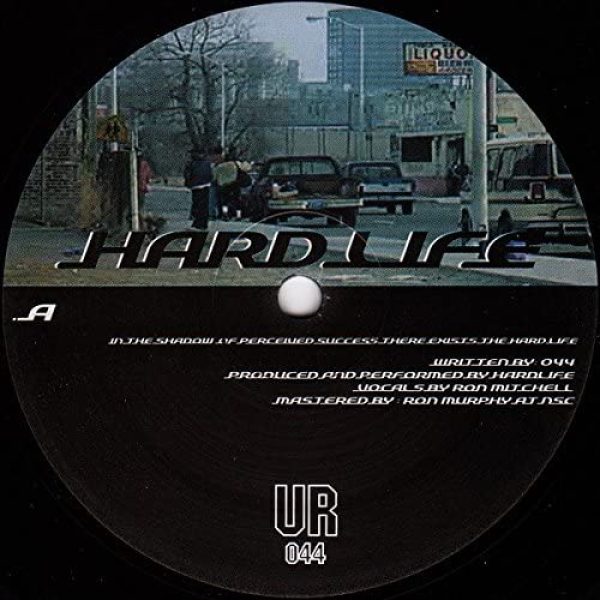
Underground Resistance is one of the most influential and uncompromising record labels in the history of electronic music. Founded in Detroit in the late 1980s by “Mad” Mike Banks, Jeff Mills, and Robert Hood, the label has become synonymous with militant independence, sonic experimentation, and the fight for cultural and artistic sovereignty. Deeply rooted in the realities of post-industrial Detroit, Underground Resistance—or UR—was born not just as a label, but as a movement: a vehicle for resistance against the commercialization of music, the erasure of Black innovation, and the economic exploitation of artists.
UR’s ethos is grounded in self-determination and political consciousness. The label’s founders drew on their backgrounds as musicians, DJs, and community members—Mad Mike with a history in funk and jazz, Jeff Mills as “The Wizard” on Detroit radio, and Robert Hood as a minimalist visionary. Together, they fused hard-edged techno with elements of funk, electro, and sci-fi futurism, creating a sound that was as confrontational as it was danceable. But perhaps more importantly, they created a visual and ideological identity: members wore ski masks or bandanas, refused interviews, and let the music speak for itself. The goal was not fame—it was to challenge systems of control and to return power to artists and local communities.
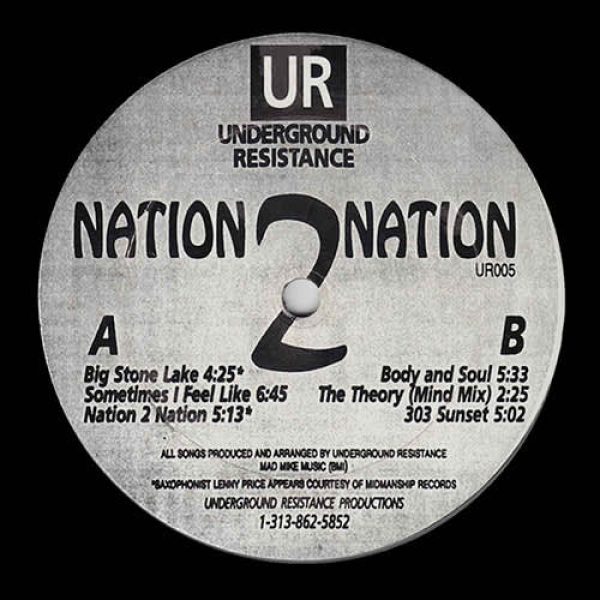
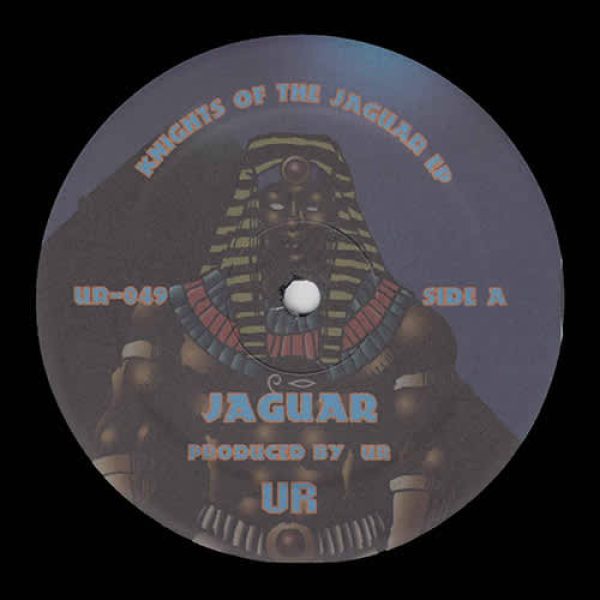
As a label, Underground Resistance has released dozens of records that have become anthems of defiance and pride. Early releases like “Sonic Destroyer,” “The Seawolf,” “The Punisher,” and “Nation 2 Nation” combined relentless machine rhythms with deeply emotional undertones. The track “Knights of the Jaguar,” by DJ Rolando, became an international hit—but also the center of controversy when Sony attempted to license it without permission, prompting UR to mount a public resistance that forced the major label to back down. This incident became emblematic of UR’s unyielding position against corporate interference and theft of culture.
The UR catalog is vast and diverse, spanning from raw, dystopian techno to soulful, jazz-inflected compositions. Through a rotating collective of members and collaborators, UR has remained dynamic while always retaining its core message. Artists who have released on the label include DJ Rolando, Drexciya, Robert Hood, Jeff Mills, Suburban Knight, Timeline, Los Hermanos, Gerald Mitchell, Mark Flash, Andre Holland, Ray 7, and Santiago Salazar, among others. Many of these artists have gone on to launch their own projects, but continue to carry the UR spirit in their work.
Beyond the music, Underground Resistance operates Submerge, a distribution company and headquarters located in Detroit. Submerge is more than just a warehouse—it is a cultural hub, pressing and distributing not only UR’s output but also records from many like-minded artists and labels. It has also housed the Exhibit 3000 techno museum, which tells the story of Detroit techno from the inside out, preserving its legacy for future generations. Through Submerge, UR has created a space that nurtures local talent, educates the public, and serves as a beacon of self-sustained creativity in the heart of a city often neglected by broader cultural narratives.
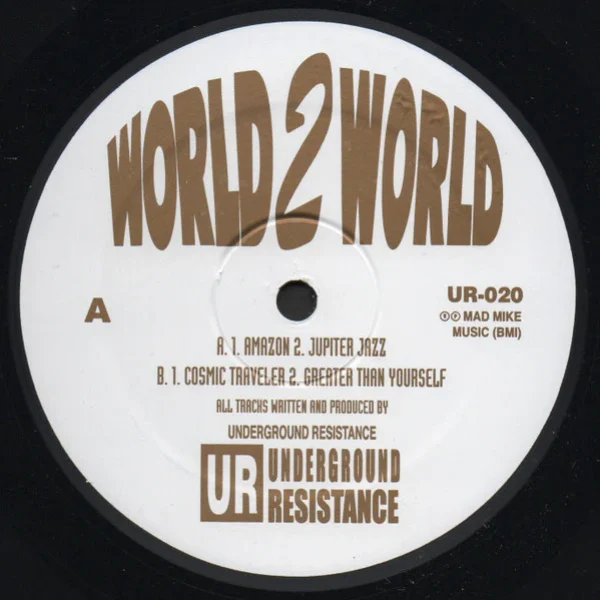
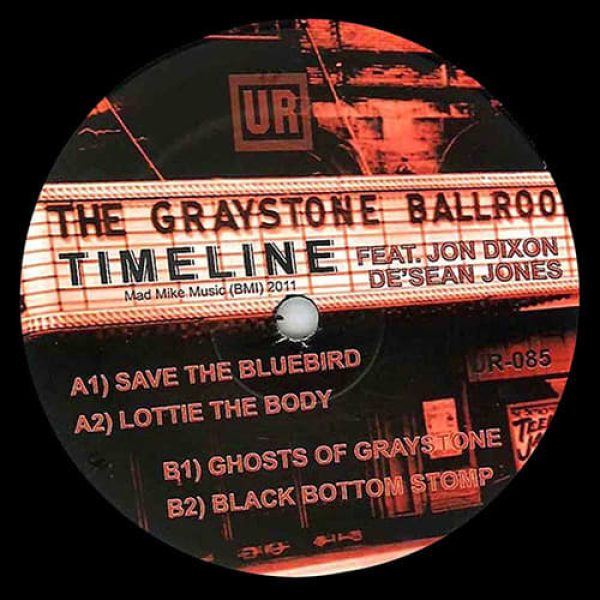
UR’s live projects have also left a lasting mark. Galaxy 2 Galaxy, first introduced via a 1993 EP, became a full live ensemble combining electronic hardware with live keys, percussion, and jazz instrumentation. Timeline followed, carrying on this fusion of machine and human expression. These live shows brought the music to international stages, but never at the expense of their values—UR would often turn down commercial festival slots or media appearances that didn’t align with their principles. Every performance was a statement, a transmission from Detroit to the world, reminding audiences that techno could be both deeply political and profoundly emotional.
The impact of Underground Resistance on the music industry is immense. Their defiance of traditional promotion and distribution models paved the way for a global network of independent artists who now follow their own paths. They were early champions of vinyl, of direct-to-audience communication, and of music as an act of liberation. While the term “underground” has since been co-opted by the very forces UR fought against, they continue to define it on their own terms: uncompromising, community-driven, and deeply tied to place and purpose.
UR’s significance goes beyond genre or scene. It stands as a living critique of inequality, a celebration of Detroit’s creative genius, and a blueprint for how music can be used not just to entertain, but to awaken, educate, and mobilize. Whether through the fierce blast of a 12-inch record or the quiet persistence of building an independent infrastructure, Underground Resistance has reshaped the global musical landscape—one militant groove at a time.
Filter Records
Genre
- Afrobeat (3)
- Boogie (5)
- Modern Boogie (1)
- Disco (2)
- Italo-disco (1)
- Edit Culture (1)
- Electronic (188)
- Acid (2)
- Acid Techno (1)
- Ambient (5)
- Ambient Techno (2)
- Balearic (1)
- Basic Channel related (39)
- Bass Music (2)
- Beat-Boogie (2)
- Beat‑Driven Experimental (1)
- Deep House (13)
- Detroit (15)
- Disco Dub (1)
- Disco House (1)
- Downtempo (2)
- Drexciya related (22)
- Drum & Bass (1)
- Dub (2)
- Dub House (2)
- Dub Techno (34)
- Electro (37)
- Experimental (26)
- Garage House (1)
- House (13)
- Industrial (2)
- Jazz Dance (1)
- Juan Atkins related (5)
- Left‑field (2)
- Live Electronic (3)
- LOFI House (1)
- Machine Funk (1)
- Minimal (10)
- Minimal Techno (6)
- New Wave (1)
- Plus-8 related (4)
- Progressive House (1)
- Progressive Techno (1)
- Progressive Trance (1)
- Psychedelia (2)
- Rhythm & Sound related (40)
- Soulful House (1)
- Synth Pop (2)
- Synth‑Improvised (1)
- Techno (67)
- Trance (1)
- Vaporwave-infused Beats (5)
- Experimental Rock (1)
- Funk (26)
- Bedroom Funk (2)
- Electro-Funk (2)
- G‑Funk (4)
- Modern Funk (2)
- Synth Funk (1)
- West Coast Funk (1)
- Gospel (1)
- Hip Hop (124)
- Abstract Hip Hop (5)
- Alternative Hip Hop (4)
- Beat Tape (8)
- Boom Bap (19)
- Broken beat (1)
- Chillhop (1)
- Classic Hip Hop (7)
- Conscious Hip Hop (6)
- Contemporary Hip Hop (1)
- Downtempo Beat Music (2)
- East Coast Hip Hop (9)
- Experimental Hip Hop (13)
- Funk/Soul Hip Hop (5)
- Hardcore Hip Hop (4)
- Instrumental Hip Hop (39)
- J Dilla Related (16)
- Jazz Hip Hop (20)
- Jazz-inflected Beat (3)
- Left‑field rap (0)
- Lo‑Fi Hip Hop (8)
- Madlib Related (28)
- MF Doom Related (15)
- Plunderphonics (1)
- Psychedelic Hip Hop (2)
- Ragga Hip Hop (1)
- Remix Hip Hop (2)
- Sampledelia (6)
- Trip Hop (1)
- Trip‑hop (1)
- Turntablism (2)
- Underground Beat Music (1)
- Underground Hip Hop (17)
- West Coast Hip Hop (7)
- Indie (2)
- Jazz (18)
- Acid Jazz (0)
- Bebop (2)
- Blues Piano (1)
- Contemporary Jazz (3)
- Cool Jazz (2)
- Free Jazz (1)
- Future Jazz (0)
- Hard Bop (8)
- Jazz-Funk (0)
- Jazz-Fusion (0)
- Modern Jazz (2)
- Post-Bop (4)
- Soul Jazz (5)
- Limited Edition (23)
- Lo-fi (3)
- Lo-Fi Beat (1)
- Mixed Album (3)
- Pop (15)
- Alternative Indie (1)
- Dream Pop (2)
- Indie Pop (9)
- Psychedelic Pop (5)
- Synth Pop (3)
- Pressed at Analog Dreams (4)
- Psychedelic (1)
- R&B (7)
- Contemporary R&B (2)
- Reggae (1)
- Rock (5)
- Alternative Rock (1)
- Experimental Rock (1)
- Soft Rock (3)
- Soul (32)
- Blue-Eyed Soul (1)
- Future Soul (1)
- Lo-Fi Soul (1)
- Neo-Soul (8)
- Pop Soul (1)
- Psychedelic Soul (2)
- Retro Soul (1)
- Spoken Word (2)
- World Music (1)
Artist
- 0 Records
- A Tribe Called Quest
- A. Shakir
- A.O.S
- Aaron Carl
- Air Kraft Vision
- Alden Tyrell
- Analog Dreams
- Andrea Ottomani Nontet
- Anthony Naples
- Antony Coppens
- Apifera
- Art Blakey
- Augustus Williams
- Aux 88
- B-Sides (Frank De Wulf)
- Basic Channel
- Benny Sings
- Big Hands
- Big Tone
- Blake Baxter
- Bloomy Meadows
- Blu
- BluRum13
- Boris Blenn
- Breeze Brewin
- Brian Ellis
- Bruce Haack
- Bugseed
- Caps Lock
- Carl Craig
- Chaos
- Charizma
- Charlie Byrd
- Chris Read
- Cocoo
- Colonel Red
- Connie Price & The Keystones
- Cyrus
- Dam-Funk
- Dan Curtin
- DCE
- Declaime
- Defari
- Destani Wolf
- Detroit In Effect
- Dexter Gordon
- Digital Underground
- Distance
- DJ Bone
- DJ EFN
- DJ Motora
- DJ Premier
- DJ Sotofett
- DJ Spider
- DJ Spinna
- DJ Stingray 313
- Dopplereffekt
- Drexciya
- Dudley Perkins
- Duke Ellington
- Eden Transmission
- EDO8
- EPMD
- Eric B. & Rakim
- Erin Buku
- Exquisite Corpse
- Fatlip
- Firn
- Forest Drive West
- Formant Value
- Franklin De Costa
- Gang Starr
- Gensu Dean
- Georgia Anne Muldrow
- Gerry Mulligan
- Guilty Simpson
- Guru
- Hardlife
- Harmonious Thelonious
- Huey Mnemonic
- Inkswel
- Isaiah Deshon
- J Dilla
- J. Rawls
- J.Rocc
- James Pants
- Jay Duncan
- Jerry Paper
- Jessbeatz
- Jimmy Smith
- John Carroll Kirby
- John Coltrane
- John Gray
- Jonti
- Jonwayne
- Jordan GCZ
- Juan Atkins
- K‑Def
- Kiefer
- King Gizzard & The Lizard Wizard
- King Pari
- Knxwledge
- Kool Keith
- Lake Haze
- Lee Morgan
- Lee Scratch Perry
- LKR
- Local‑Mu12
- Lord Sko
- Lucy
- LYMA
- Lyrics Born
- Mackjunt
- Mad Mike
- Madlib
- Maimouna Haugen
- Mano De Fuego
- Marco Polo
- Masta Ace
- Matchless Gift
- Max Watts
- Mayer Hawthorne
- Meade "Lux" Lewis
- Method Man
- MF Doom
- Mike Ellison
- Mike Huckaby
- Mild High Club
- Mndsgn
- Monolake
- Mood
- Moodorama
- Moodymann
- Mr. Fingers
- NAS
- Neuro State
- Nickelman
- Nicolò
- Niklas Wandt
- Non Phixion
- NxWorries
- Octagon
- Oh No
- Om Unit
- Ordo Sakhna
- Pascal Hetzel
- Peanut Butter Wolf
- Pearl & The Oysters
- Percee P
- Peven Everett
- piska power
- Plastikman
- Potatohead People
- Prince Language
- Professor Creepshow
- Psyance
- Quadrant
- Raekwon
- Reel by Real
- RS Tangent
- Sai Galaxy
- Saib
- Samiyam
- Scan 7
- Secret Circuit
- Shinji
- Showbiz & A.G.
- Sick Hardcore
- Silas Short
- Silver Apples
- Solid Gold Playaz
- Sonny Clarke
- Soreab
- Sound Synthesis
- Speedy J
- Stan Getz
- Steam Down
- Steve Spacek
- Stimulator Jones
- Street Life
- Suburban Knight
- Suncream
- Surgeon
- Talib Kweli
- Terrence Dixon
- The Advent
- The Allergies
- The Black Dog
- The Exaltics
- The Stepkids
- Thelonious Monk
- Tommy Martini
- Tony Allen
- Tony Cook
- trog’low
- Tuxedo
- Underground Resistance
- Various Artists
- Vex Ruffin
- White Mice
- Worli
- XL Middleton
- Yazmin Lacey
- Your Old Droog
- Zackey Force Funk
- Zapp
- Zein
- Zopelar
Label
- 0 Records
- Alleviated Records
- Anacalypto Records
- Apparel Music
- Atlantic
- Avec Plaisir
- Baroque Sunburst
- Basic Channel
- Beat Junkie Sound
- Berceuse Heroique
- Big Dada
- Blacksmith Music
- Blue Note
- Chicken Coop Recordings
- Chrysalis Records
- Clone Aqualung Series
- Clone Classic Cuts
- Clone Jack For Daze
- Clone West Coast Series
- Cold Busted
- Columbia
- Compost Records
- Correct Technique US
- Cosmocities
- Craft Recordings
- Cultivated Electronics
- D.I.T.C. Records
- DCE Records
- Disk
- DOL
- Dust Science Recordings
- Ebonite Records
- Electrostatic
- Elypsia
- Emotions Electric
- EPM Music
- Evasione Digitale
- ExoPlanets
- Fat Beats Records
- Field Recordings
- Guilty By Association
- Hobo Camp
- Honest Jon's Records
- Ice H20
- Impressed Recordings
- Inner Tribe Records
- Jalapeno Records
- Javotti Media
- Junkadelic Music
- Kapp Records
- Lazy Reflex Complex
- Lex Records
- Life And Death
- Limited Network
- Livity Sound
- Loyalty Digital Corp.
- M.A.P.
- Madlib Invazion
- Marco Polo Beats
- Marionette
- Matic Records
- Maurizio/M-Series
- Mello Music Group
- Metroplex
- MoFunk Records
- Mr Bongo
- Music Man Records
- Nature Sounds
- Not On A Label
- NovaMute
- Paraiso
- Pay Jay Productions
- Payday
- Peacefrog
- Post Up Music
- Power Station
- Púca Sounds
- Puzzlebox Records
- Rapster
- Redefinition Records
- Rhino
- Roots
- Rush Hour
- SIC Records
- SomeOthaShip Connect
- Sound Metaphors Records
- SPA Recordings
- Spaghetti Bender Music
- Still Music
- Stimulated Records
- Stones Throw Records
- Street Education Records
- Superjock Records
- The Funky President
- The Playground
- The Trilogy Tapes
- Tommy Boy
- Transmigration
- Tresor
- Tuff Kong Records
- UBB Enterprises
- Uncle Howie Records
- Underground Resistance
- URBNET Records
- Verve Records
- Vintage Vibes
- Waxtime In Color